Mutual Funds vs Fixed Deposits
By Anand
About the Author
Anand contributes to finance and personal finance content, with a particular interest in mutual funds, SIPs, financial planning and wealth creation. His work explores investment concepts and emerging trends in personal finance.

A simple comparison of growth potential, risk, liquidity, taxation, and suitability to help you understand which option may fit different financial goals.
When people start investing, two options often come up: mutual funds and fixed deposits. Both can have a place in a financial plan, but they work differently and are designed for different types of investors.
A fixed deposit generally offers more predictable returns, while market-linked investments can provide greater growth potential but also involve fluctuations and risk.
Instead of asking which option is universally better, investors should ask which one is more suitable for their financial goals, time horizon, risk tolerance, and liquidity requirements.
What Are Mutual Funds?
Mutual funds pool money from multiple investors and invest it in securities such as stocks, bonds, or other assets depending on the fund's objective.
The value of a mutual fund investment can increase or decrease based on the performance of its underlying investments. This means returns are not guaranteed.
Different categories are designed for different objectives. Equity-oriented funds may focus on long-term growth, while debt-oriented funds generally invest in fixed-income securities.
What Is a Fixed Deposit?
A fixed deposit is a deposit offered by banks and other eligible financial institutions where money is invested for a predetermined period at an agreed interest rate.
The investor typically knows the applicable interest rate at the time of booking the deposit, which makes it easier to estimate the maturity amount.
However, investors should consider factors such as inflation, taxation, premature withdrawal conditions, and the applicable terms of the institution before investing.
Mutual Funds vs FD: Key Differences
The main difference between these two options is how returns are generated.
With a fixed deposit, returns are linked to the agreed interest rate. With mutual funds, returns depend on the performance of the underlying securities.
This makes the comparison less about choosing a winner and more about understanding the trade-offs between predictability, growth potential, risk, and liquidity.
Risk and Return
One of the most important factors in an investment comparison is the relationship between risk and potential return.
Fixed deposits generally provide greater predictability because the applicable interest rate is known upfront. However, their returns may not always keep pace with inflation over long periods.
Market-linked investments can potentially generate higher returns over longer periods, but their value can fluctuate significantly, particularly over shorter periods.
Investors should therefore avoid selecting an investment solely because it has generated higher returns in the past.
Understanding FD Interest Rates
FD interest rates vary depending on the institution, tenure, deposit type, and other applicable conditions.
A higher interest rate may appear attractive, but investors should also consider the duration for which their money will remain locked in and whether the maturity period matches their financial needs.
It is also important to compare the effective post-tax return rather than looking only at the advertised rate.
Liquidity and Access to Money
Liquidity is another important consideration.
A fixed deposit may allow premature withdrawal subject to the institution's terms, which can include penalties or reduced interest. Mutual fund investments may also offer redemption options depending on the fund, although certain funds can have exit loads or other conditions.
Before investing, it is useful to determine when you may need the money and whether you can keep the investment untouched until your goal arrives.
The Role of SIP Investment
A SIP investment allows investors to contribute a fixed amount regularly into a mutual fund instead of investing a large amount at once.
This approach can encourage disciplined investing and make regular contributions easier to manage.
However, SIPs do not guarantee profits. Since mutual funds are market-linked, the value of investments can rise or fall depending on market conditions.
Bank FD or Mutual Fund: Which Is Better?
A bank FD may be suitable for investors who prioritize predictable returns and want to know the applicable interest rate for a chosen tenure.
Mutual funds may be more suitable for investors who have a longer investment horizon and are comfortable accepting market fluctuations in pursuit of potentially higher long-term growth.
For example, money needed for a near-term financial requirement may require a different approach from money being invested for a long-term goal such as retirement.
What About Debt Funds?
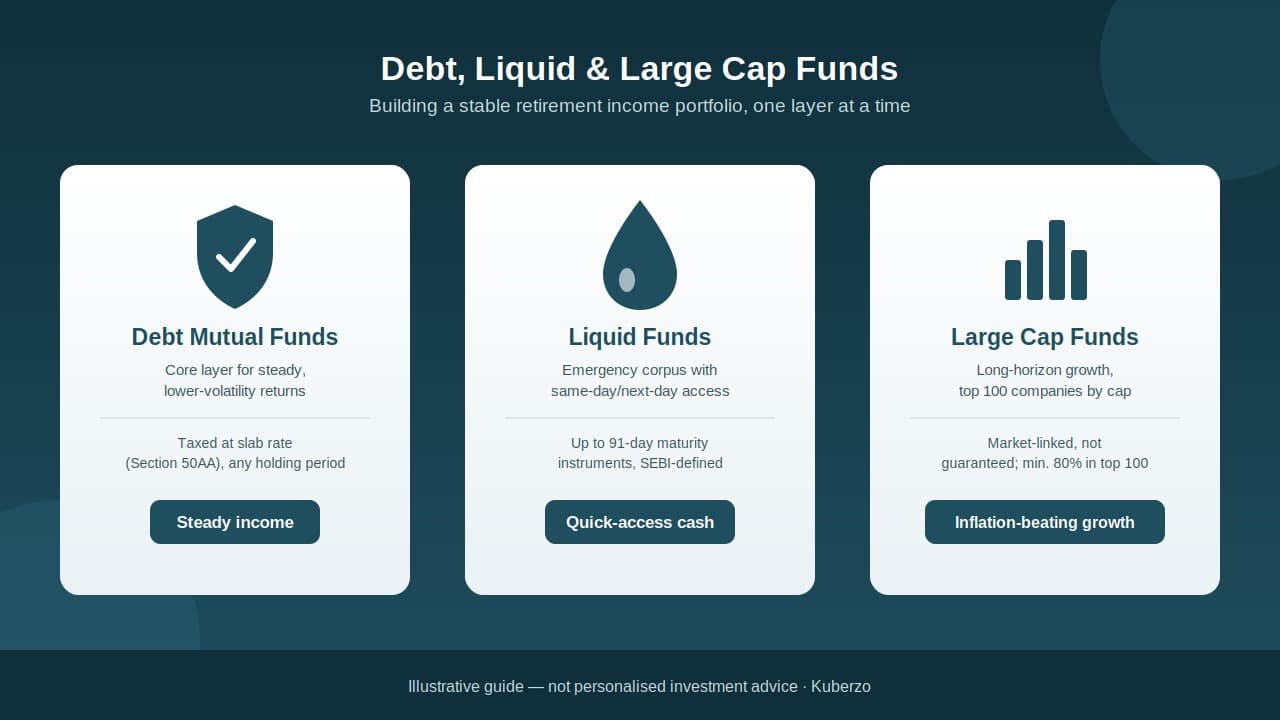
Debt funds invest primarily in fixed-income instruments and may be considered by investors looking for an alternative to traditional deposits.
However, debt funds are not the same as fixed deposits. Their returns are market-linked, and their value can fluctuate because of factors such as interest-rate movements and credit risk.
Therefore, investors should understand the characteristics and risks of the specific fund before investing.
Tax Considerations
Taxation can significantly affect the final amount an investor receives.
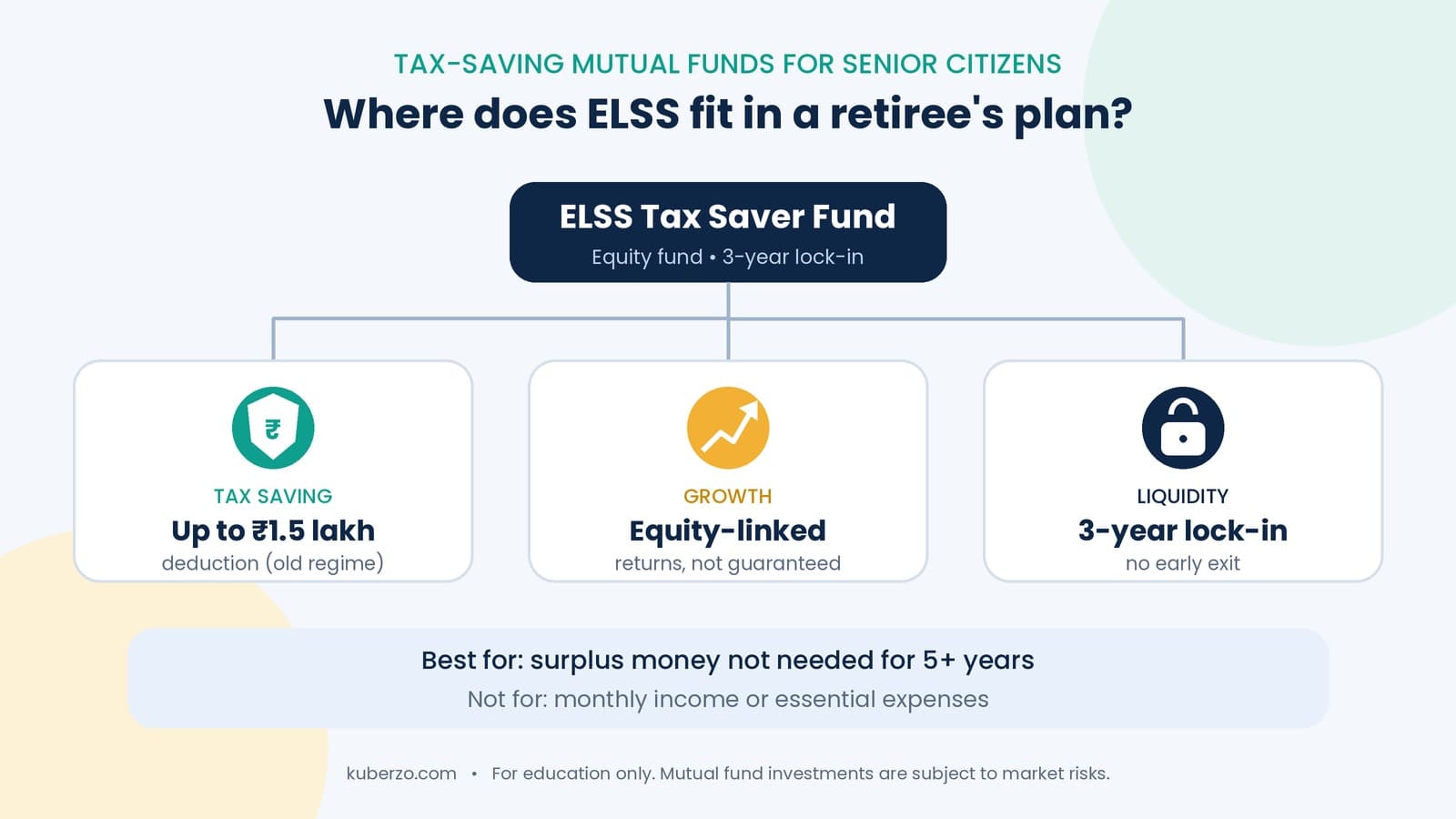
A tax saving investment should not be selected solely because it offers a potential tax benefit. Investors should first understand the applicable tax rules, lock-in requirements, eligibility conditions, and whether the investment actually supports their financial goals.
The tax treatment of deposits and different types of mutual funds can vary, so investors should check the current rules applicable to their situation.
Which Option Is Better for Long-Term Goals?
For long term investment, the right choice depends on the goal and the investor's ability to handle risk.
Someone saving for a goal several years away may have more flexibility to consider market-linked investments, while someone prioritizing capital stability for a near-term requirement may prefer more predictable options.
Time horizon is particularly important because short-term market fluctuations can have a greater impact when money is needed soon.
Can You Use Both?
Investors do not necessarily have to choose only one option.
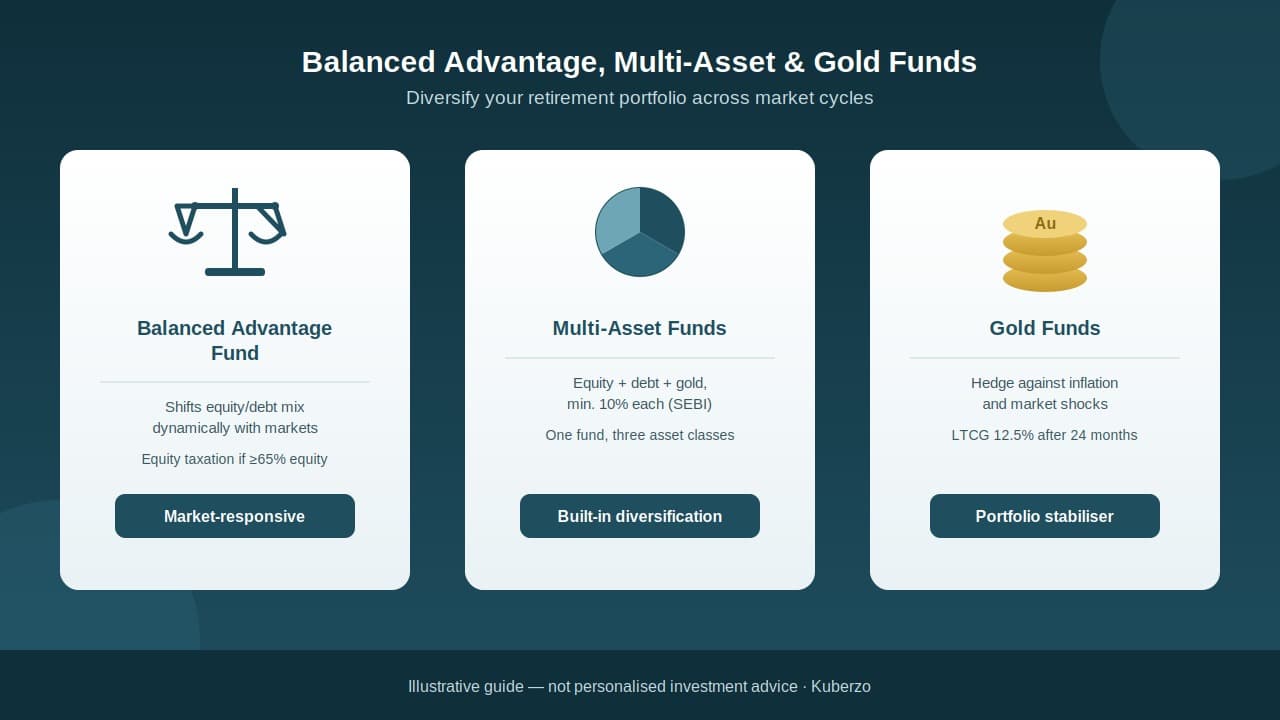
A diversified financial plan may use different investment products for different purposes. For example, one portion of savings may be allocated toward relatively predictable instruments, while another portion may be invested for long-term growth.
The appropriate combination depends on income, expenses, financial goals, emergency savings, risk tolerance, and investment horizon.
Financial Planning Before Choosing an Investment
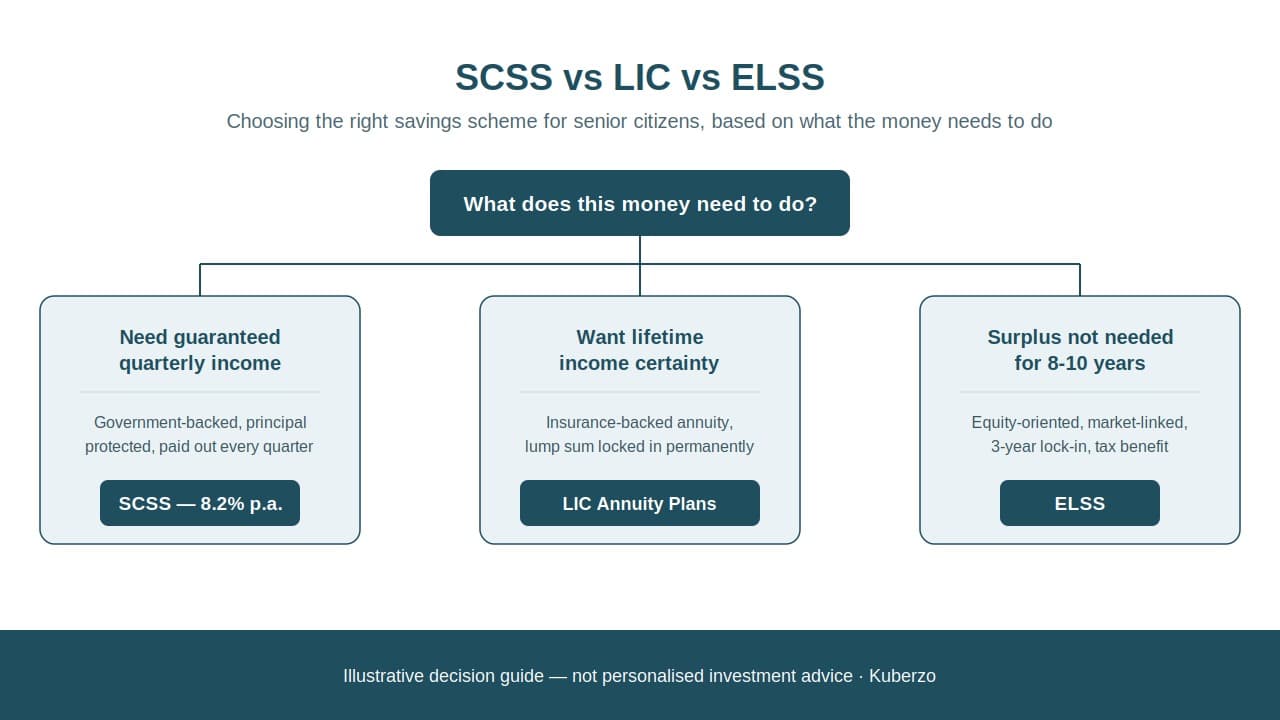
Good financial planning starts with identifying what the money is meant to accomplish.
Before choosing between mutual funds and fixed deposits, consider:
- What is the purpose of the investment?
- When will you need the money?
- How much risk can you comfortably accept?
- Do you need regular income or long-term growth?
- How much liquidity do you require?
- What are the applicable taxes and charges?
- Does the investment fit into your overall portfolio?
These questions can help prevent investors from selecting products based only on recent returns or advertisements.
Focus on Wealth Creation, Not Just Interest Rates
Wealth creation is a long-term process that involves saving consistently, investing appropriately, managing risk, and giving investments enough time to grow.
An investment offering a predictable return is not automatically the best choice for every goal. Similarly, an investment with higher growth potential is not automatically suitable for every investor.
The right decision depends on what you are trying to achieve and how much uncertainty you can reasonably handle.
Conclusion
Mutual funds and fixed deposits serve different purposes and come with different advantages and limitations.
Fixed deposits can provide greater predictability, while mutual funds offer market-linked exposure and the potential for long-term growth. Neither option is universally better.
The best approach is to understand your financial goals, investment horizon, liquidity needs, tax situation, and risk tolerance before making a decision.
Instead of choosing an investment simply because it is popular or offers an attractive headline return, focus on whether it fits your overall financial strategy.
Call to Action
Want to understand your investment options and make more informed financial decisions?
Visit Kuberzo to explore practical financial insights, investment education, and guidance designed to help you build a stronger approach to your financial goals.
Frequently Asked Questions
Are mutual funds better than fixed deposits?
Neither is automatically better. Mutual funds may offer greater growth potential but involve market risk, while fixed deposits generally provide more predictable returns. The suitable option depends on your goals and risk tolerance.
Are fixed deposits completely risk-free?
Fixed deposits offer more predictable returns than market-linked investments, but investors should still understand the applicable institution-specific terms, deposit insurance limits, premature withdrawal conditions, and other risks.
Can I invest in both mutual funds and fixed deposits?
Yes. Investors can use both depending on their financial goals. Combining different types of investments can help create a portfolio aligned with different time horizons and risk requirements
Is SIP better than investing in a fixed deposit?
SIP and fixed deposits serve different purposes. A SIP provides regular contributions to a market-linked mutual fund, while a fixed deposit provides a predetermined interest rate for a selected tenure. The better option depends on the purpose of the money and the investor's risk tolerance.
Which is better for long-term wealth creation?
For long-term goals, investors may consider market-linked investments because they can offer greater growth potential, but they also carry market risk. Fixed deposits may be useful when predictability and capital stability are higher priorities.