Building a Balanced Portfolio: A Smart Investment Strategy for Long-Term Wealth Creation
By Shruti Agrawal

This blog explains how building a balanced portfolio through smart asset allocation, portfolio diversification, and SIP investments can help manage risk and support long-term wealth creation. Discover practical investment strategies for beginners and experienced investors alike.
Building a Balanced Portfolio: A Smart Investment Strategy for Long-Term Wealth Creation
Every investor dreams of growing their money while keeping risks under control. The key to achieving this is building a balanced portfolio that aligns with your financial goals, risk appetite, and investment horizon. Instead of relying on a single investment, a balanced approach spreads your money across different asset classes, helping you manage market fluctuations while working toward steady wealth creation.
Whether you're just starting your investment journey or looking to improve your existing portfolio, understanding the basics of portfolio diversification and asset allocation can make a significant difference.
What Is a Balanced Portfolio?
A balanced portfolio is a combination of different investment assets designed to maximize returns while minimizing unnecessary risk. Rather than putting all your money into one investment, you distribute it across multiple asset classes such as equities, debt instruments, and other investment options.
This approach reduces the impact of poor performance in any one asset and creates a more stable investment strategy over time.
Why Portfolio Diversification Matters
One of the most important principles of investing is portfolio diversification. Different asset classes respond differently to economic conditions. While equity investments may offer higher returns during market growth, debt investments often provide stability during periods of volatility.
Diversification helps you:
- Reduce overall investment risk.
- Protect your portfolio from market fluctuations. Track Portfolio
- Improve the consistency of long-term returns.
- Create a more resilient investment portfolio.
A diversified portfolio doesn't eliminate risk entirely, but it helps ensure that one poor-performing investment doesn't significantly affect your overall financial health.
The Role of Asset Allocation
Asset allocation refers to how you divide your investments among different asset classes. The right allocation depends on factors such as your age, financial goals, income, and risk tolerance.
A common example includes:
- Higher equity and debt allocation toward equities for younger investors seeking long-term growth.
- A more balanced mix for middle-aged investors planning for future financial goals.
- Greater allocation to debt investments for individuals nearing retirement who prioritize capital preservation.
Reviewing and adjusting your asset allocation periodically helps keep your portfolio aligned with your changing financial needs.
Building a Mutual Fund Portfolio
For many investors, especially those with limited investing experience, creating a mutual fund portfolio offers a simple and effective way to achieve diversification.
A well-structured mutual fund portfolio may include:
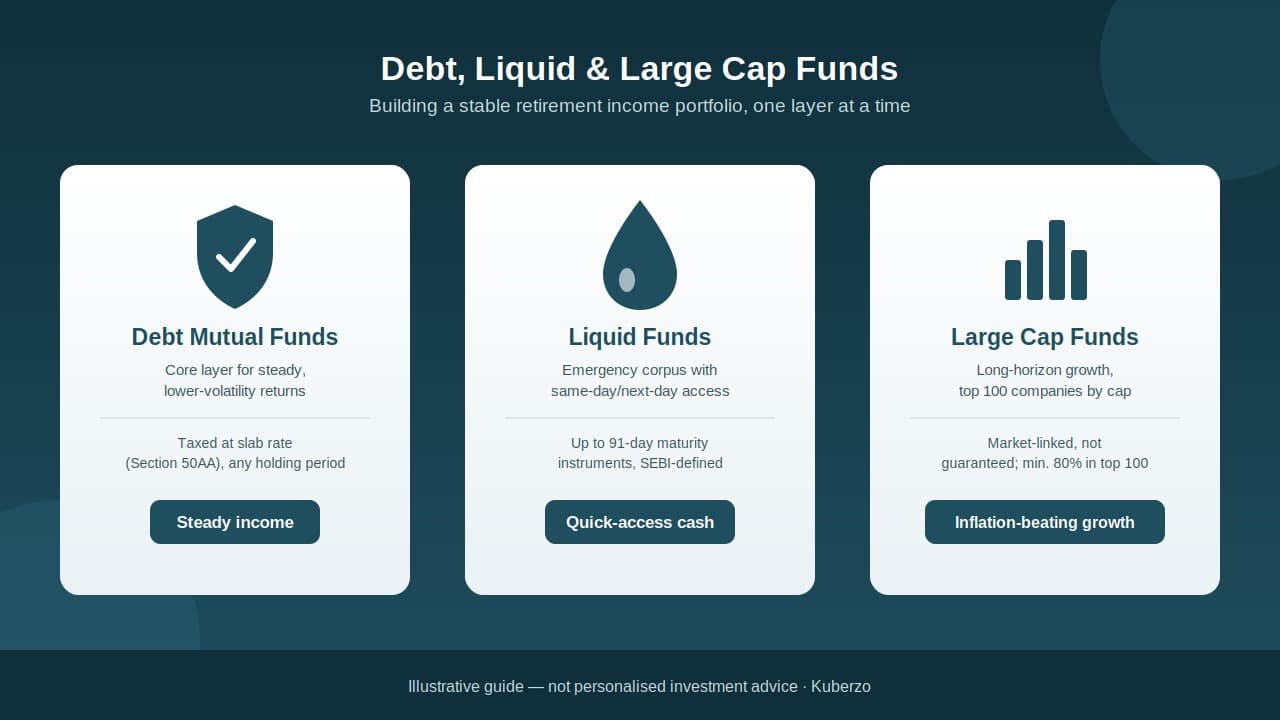
- Equity mutual funds for long-term capital appreciation.
- Debt mutual funds for stability and predictable returns.
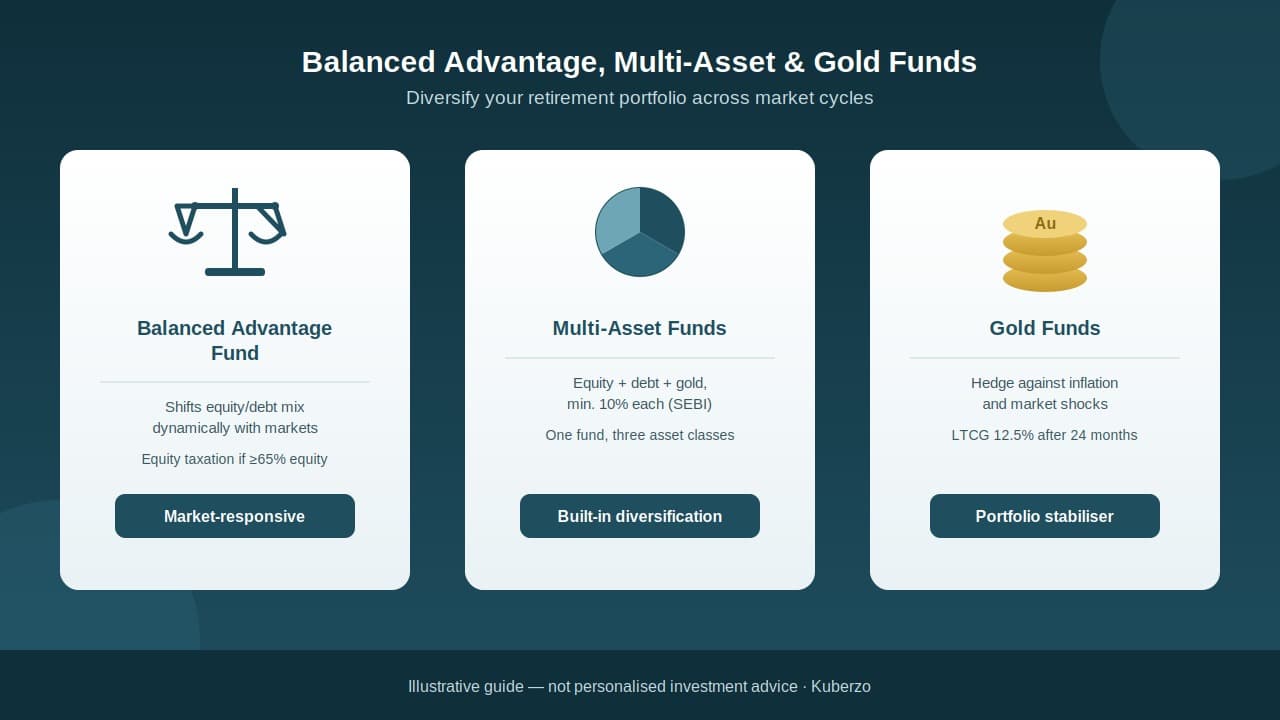
- Hybrid funds that combine equity and debt investments.
Since mutual funds are professionally managed, they provide access to diversified investments without requiring constant monitoring from the investor.
SIP Investment: A Disciplined Approach
A SIP investment (Systematic Investment Plan) is one of the easiest ways to build wealth consistently. Instead of investing a large amount at once, SIPs allow you to invest fixed amounts regularly. calculate of SIP
Benefits of SIP investing include:
- Encourages disciplined investing habits.
- Reduces the impact of market volatility through rupee cost averaging.
- Makes investing affordable for beginners.
- Supports long-term financial goals through the power of compounding.
Regular SIP investments can gradually build a strong portfolio without the pressure of timing the market.
Risk Management Is Essential
Successful investing isn't only about earning higher returns-it's equally about effective risk management.
Some practical ways to manage investment risk include:
- Diversifying across different asset classes.
- Reviewing your portfolio periodically.
- Avoiding emotional investment decisions.
- Maintaining an emergency fund outside your investment portfolio.
- Rebalancing investments when allocations drift from your target.
Managing risk helps protect your investments during uncertain market conditions while keeping you focused on your long-term objectives.
Investment for Beginners: Where to Start
If you're exploring investment for beginners, don't feel pressured to build the perfect portfolio immediately. Start by defining your financial goals, understanding your risk tolerance, and investing consistently.
A combination of SIPs, diversified mutual funds, and appropriate asset allocation can provide a strong foundation. As your income and financial knowledge grow, you can gradually expand and refine your investment strategy.
Remember, successful investing is a marathon, not a sprint.
Final Thoughts
Building a balanced portfolio is one of the smartest decisions you can make for long-term financial success. By focusing on portfolio diversification, thoughtful asset allocation, disciplined SIP investment, and effective risk management, you create a portfolio that can withstand market ups and downs while supporting your journey toward wealth creation.
The best investment strategy isn't about chasing the highest returns-it's about staying consistent, investing wisely, and aligning your portfolio with your financial planning goals. Over time, this disciplined approach can help you build lasting financial security and achieve your long-term investment objectives.
Frequently Asked Questions
What is a balanced investment portfolio?
A balanced investment portfolio is a mix of different asset classes, such as equities, debt instruments, mutual funds, and cash, designed to balance risk and return. It helps investors reduce market volatility while supporting long-term wealth creation.
Why is portfolio diversification important?
Portfolio diversification spreads investments across multiple asset classes to reduce overall risk. Since different investments perform differently under changing market conditions, diversification helps improve portfolio stability and long-term returns.
How do I build a balanced investment portfolio?
Start by defining your financial goals and risk tolerance. Then allocate your investments across equities, debt, and other suitable assets, invest consistently through SIPs, and review your portfolio regularly to keep it aligned with your objectives.
Is SIP a good way to build a balanced portfolio?
Yes. A Systematic Investment Plan (SIP) allows you to invest a fixed amount regularly in mutual funds. SIPs encourage disciplined investing, reduce the impact of market volatility through rupee cost averaging, and support long-term wealth creation.
How often should I rebalance my investment portfolio?
It is generally recommended to review and rebalance your portfolio at least once a year or whenever your asset allocation changes significantly due to market movements or changes in your financial goals.
Can beginners build a balanced investment portfolio?
Absolutely. Beginners can start with diversified mutual funds, invest through SIPs, and gradually build a balanced portfolio based on their financial goals and risk appetite. Seeking professional financial guidance can also help make informed investment decisions.
What are the benefits of a balanced investment portfolio?
A balanced portfolio helps manage investment risk, improves diversification, supports steady long-term returns, protects against market fluctuations, and keeps your investments aligned with your financial planning and wealth creation goals.