Best Tax-Saving Investments Under Section 80C
By Dwarika Verma

Discover the best tax-saving investments under Section 80C, including ELSS, PPF, and NPS. Learn how these investment-options can help you reduce your tax liability while building long-term wealth.
Save on Taxes While Building Your Financial Future
Tax planning is not just about reducing your tax bill; it's also about making smart financial decisions that benefit you in the long run. One of the most popular ways to save tax in India is through Section 80C of the Income Tax Act. It offers deductions on certain investments that can help you lower your taxable income while creating long-term wealth.
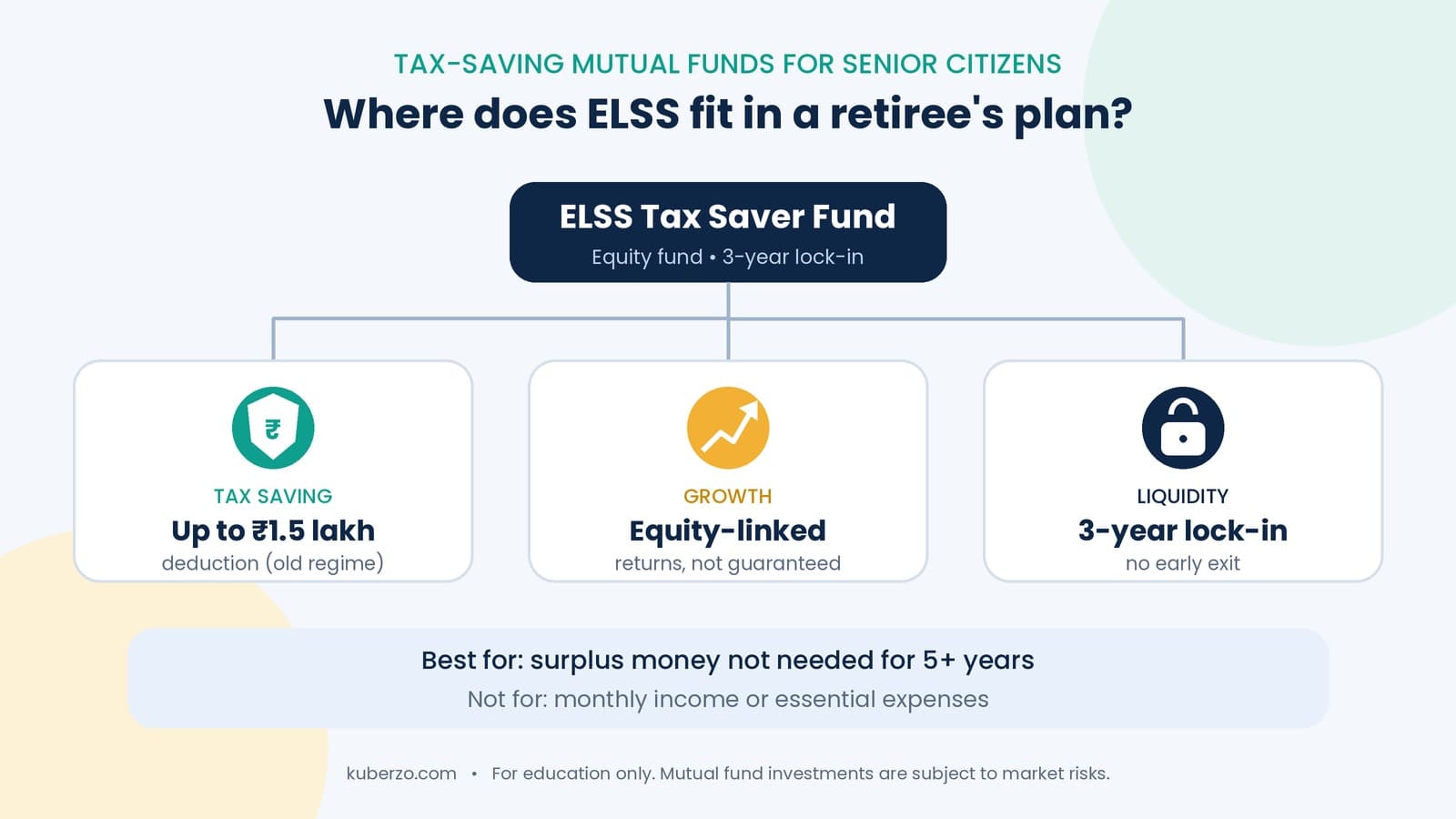
If you opt for the old tax regime, you can claim deductions of up to ₹1.5 lakh in a financial year by investing in eligible instruments under Section 80C. Choosing the right investment depends on your financial goals, risk appetite, and how long you plan to stay invested.
Equity Linked Savings Scheme (ELSS)
ELSS is a tax-saving mutual fund that invests primarily in the stock market. It is one of the most popular options under Section 80C because it has the shortest lock-in period of just three years.
Since ELSS is market-linked, returns are not guaranteed. However, it has the potential to generate higher long-term returns compared to many traditional tax-saving investments. It is suitable for investors who are comfortable with some market risk and are looking for wealth creation along with tax benefits.
Public Provident Fund (PPF)
PPF is a government-backed savings scheme known for its safety and stable returns. It has a 15-year tenure, making it ideal for long-term goals like retirement or children's education.
Many investors choose PPF because it offers low risk and disciplined savings. While the returns may not be as high as equity investments, it remains one of the most trusted tax-saving options available.
National Pension System (NPS)
NPS is designed to help individuals build a retirement corpus through regular investments. It invests across different asset classes, including equity and debt, to create long-term wealth.
One of its biggest advantages is the additional tax benefit. Besides the deduction available within the overall limit, eligible taxpayers can claim an extra deduction of up to ₹50,000 under Section 80CCD(1B) for NPS contributions, making it an attractive choice for retirement planning.
Which Investment Should You Choose?
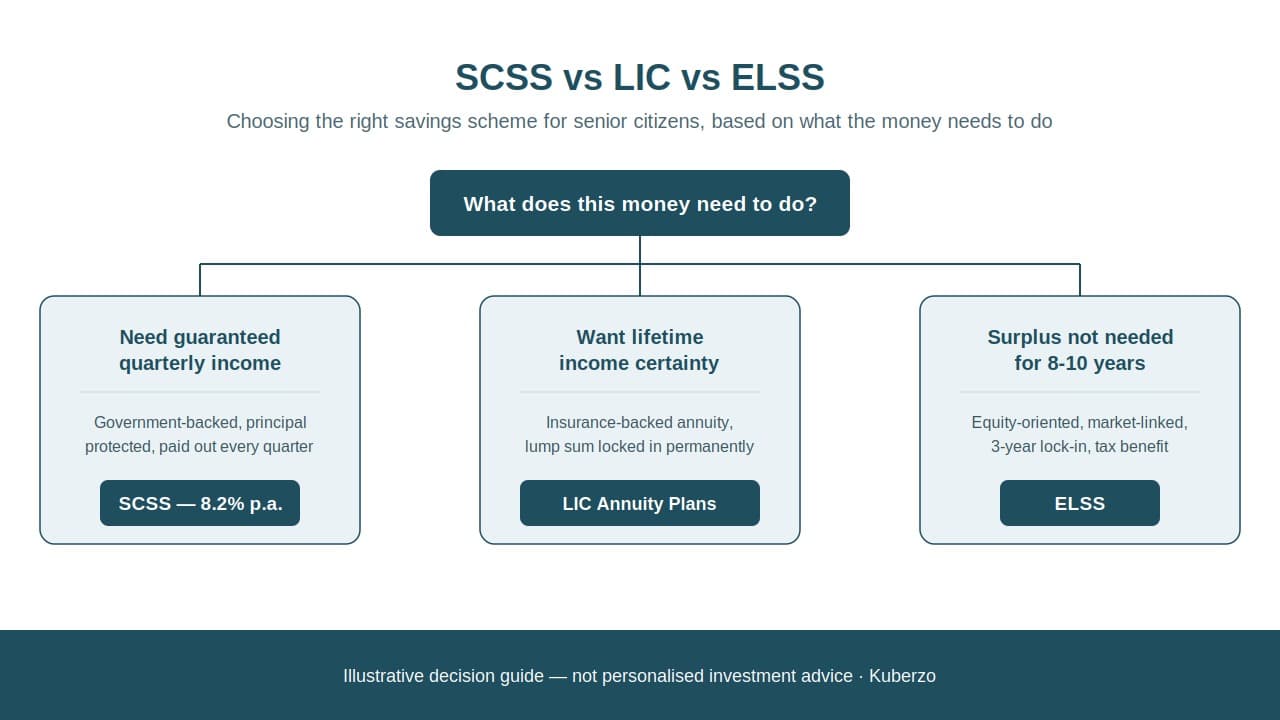
There is no single investment that suits everyone. If you're looking for higher growth and can handle market fluctuations, ELSS may be a good option. If safety is your priority, PPF offers stable returns backed by the government. If retirement planning is your focus, NPS can help you build a dedicated retirement fund while also providing additional tax benefits.
Many investors choose a combination of these investments to balance risk, returns, and financial goals.
Think Beyond Tax Savings
While saving tax is important, it should not be the only reason to invest. Every investment should support your long-term financial objectives. Before investing, consider factors such as your risk tolerance, investment horizon, and future financial needs.
A well-planned investment strategy not only helps reduce your tax liability but also creates a strong foundation for long-term wealth creation.
Conclusion
Section 80C provides an excellent opportunity to save tax while investing for the future. Whether you choose ELSS, PPF, or NPS, the right option is the one that matches your financial goals and investment style.
Remember, good tax planning is not about making last-minute investments before the financial year ends. It is about investing regularly, staying disciplined, and making informed financial decisions that benefit you for years to come.
To know how to invest in mutual funds and begin your investment journey, consult us!
Frequently Asked Questions
What is Section 80C of the Income Tax Act?
Section 80C allows eligible taxpayers in India to claim deductions on certain investments and expenses, helping reduce their taxable income. It is one of the most popular tax-saving provisions for individuals.
What are the best tax-saving investment options under Section 80C?
Some of the most popular options include the Public Provident Fund (PPF), Equity Linked Savings Scheme (ELSS), Employee Provident Fund (EPF), National Savings Certificate (NSC), Sukanya Samriddhi Yojana (SSY), tax-saving fixed deposits, and life insurance premiums.
Which Section 80C investment offers the highest returns?
ELSS funds have the potential to offer higher long-term returns because they invest primarily in equities. However, returns are market-linked and not guaranteed, unlike fixed-income options such as PPF or NSC.
Is ELSS better than PPF for tax saving?
It depends on your financial goals and risk tolerance. ELSS offers higher growth potential with a shorter lock-in period of three years, while PPF provides guaranteed returns, tax-free interest, and a 15-year lock-in period.
Can I invest in multiple Section 80C tax-saving options?
Yes. You can invest in multiple eligible instruments under Section 80C, as long as your total deduction claimed does not exceed the maximum limit allowed under the Income Tax Act.
Who should invest under Section 80C?
Section 80C investments are suitable for salaried individuals, self-employed professionals, and anyone looking to reduce taxable income while building long-term savings and achieving financial goals.
How do I choose the right tax-saving investment under Section 80C?
Choose investments based on your financial goals, risk appetite, investment horizon, liquidity needs, and expected returns. A balanced mix of tax-saving options can help you save taxes while building long-term wealth.