
The Power of Compounding Explained
By Dwarika Verma
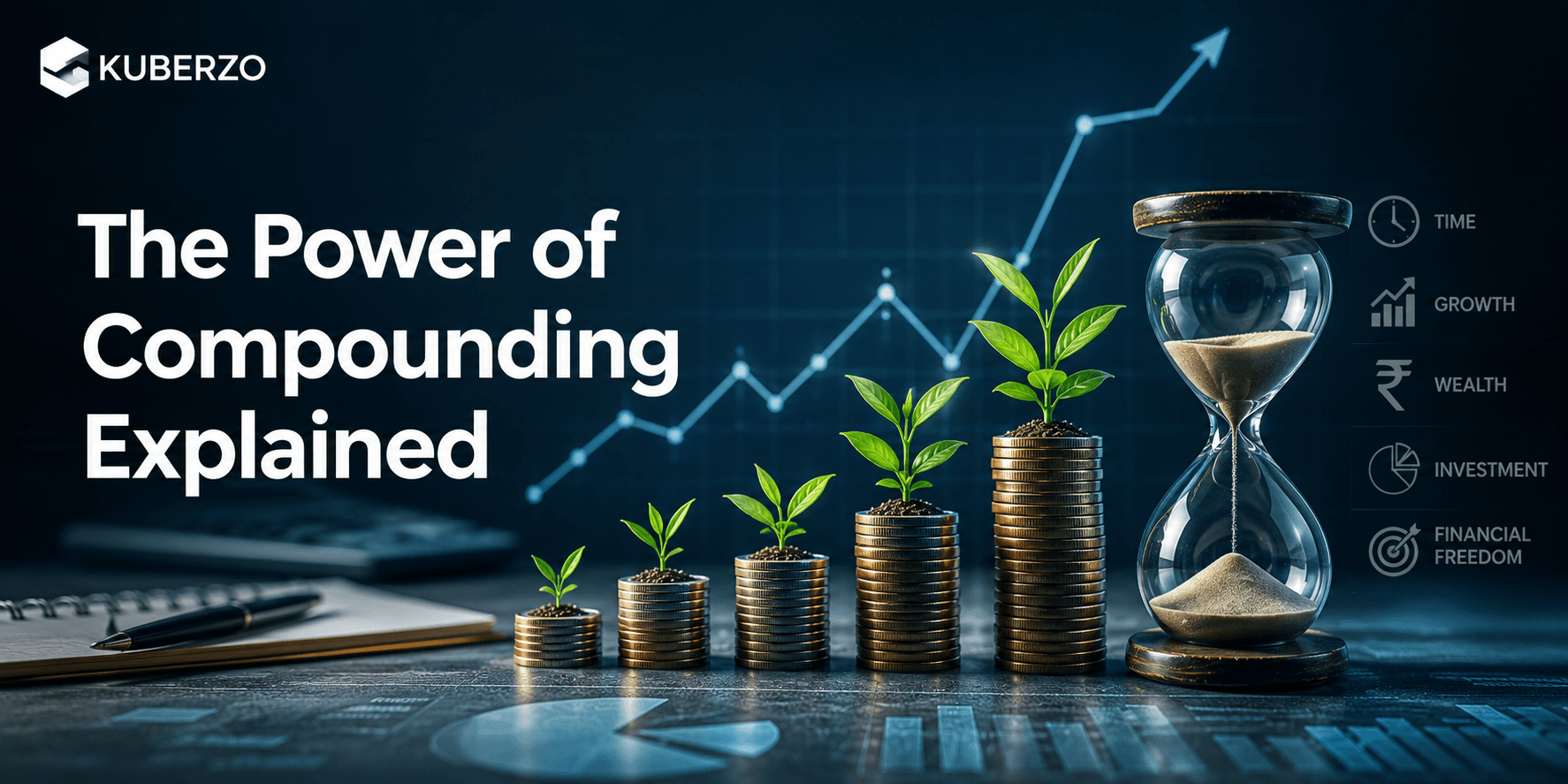
This article reveals how compounding helps in building wealth over time. Additionally, it explains how mutual funds can offer the benefits of compounding and various tips you can follow as a beginner investor.
When it comes to building long-term wealth, few financial concepts are as powerful as compounding. Compounding is often referred to as the "eighth wonder of the world" given its abilities to not only grow your wealth but also generate additional returns.
As a beginner investor, understanding the concept of compounding can help you make informed financial decisions and create a strong foundation for wealth management.
What is Compounding?
Compounding is a process where the returns you earn on your investment begin generating their own returns. In simple terms, you earn money on your own money, and then you earn money on that earned money as well.
For example, if you invest ₹10,000 and earn a 10% return in a year, your investment grows to ₹11,000. In the second year, the 10% return is calculated on ₹11,000 instead of the original ₹10,000. This means your earnings start growing at an increasing rate over time.
The longer you keep your money invested, the greater will be the impact of compounding.
Why Time Matters More Than Amount
In investing, your investment horizon determines the returns you earn rather than the amount you invest. Even a small investment is likely to generate higher returns if you give them enough time to grow.
Let us consider two investors: The first investor starts investing at age 25 and another starts at age 35. Even if the second investor contributes more money every month, the first investor may still accumulate greater wealth because their investments had more time to compound.
The first guidance you may receive from your financial advisor will not be "how much to invest", but "how long to invest". Therefore, beginner investors are often encouraged to start investing as soon as possible rather than waiting for a "perfect" moment.
How Mutual Funds Benefit from Compounding
Mutual funds are one the most popular investment options for investors looking for benefits of compounding. When you invest in mutual funds, you can gain from additional returns generated over time, if you choose to remain invested in the long run.
Through Systematic Investment Plans (SIPs) the process becomes even more effective. SIPs involve investing a fixed amount regularly allowing you to build wealth through compounding gradually over time.
Equity mutual funds, in particular, have historically provided opportunities for long-term growth, making them suitable for investors with long investment horizons.
Understanding Dividend Mutual Funds and Compounding
Many investors are attracted to dividend mutual funds as they provide periodic payouts. However, many investors often choose options that allow them to remain invested and earn returns rather than withdrawing the amount.
When returns stay invested, they continue to participate in future growth. This creates a compounding effect that can significantly increase wealth over several years.
Investors should carefully evaluate their financial goals before deciding whether they need regular income or long-term capital growth.
Compounding and Wealth Management
Effective wealth management is not only about earning high returns, but also staying invested consistently and gaining from compounding over time.
What reduces the benefits of compounding is not a small amount, but factors like frequent withdrawals, taking emotional decisions, or attempting to time the market. Smart investors focus on wealth creation through discipline, patience, and long-term financial planning.
A diversified investment portfolio combined with regular contributions can help investors make the most of compounding while managing risk effectively.
Tips for Beginners to Harness the Power of Compounding
If you're new to investing, here are a few simple ways to benefit from compounding:
- Start investing as early as possible.
- Invest regularly through SIPs.
- Stay invested for the long term.
- Reinvest earnings whenever possible.
- Avoid unnecessary withdrawals.
- Review your financial goals periodically.
Even small investments can grow into substantial wealth when given enough time.
Conclusion
The power of compounding is one of the most effective tools available for wealth creation. By starting early, investing consistently, and remaining patient, investors can benefit from exponential growth over time. Whether through mutual funds, SIPs, or other long-term investment options, compounding can play a crucial role in achieving financial goals.
As a beginner, time is your greatest ally. The earlier you begin, the more you gain.
To learn more about wealth management and mutual funds, connect with us.
Frequently Asked Questions
What is compounding in investing?
Compounding is the process where the returns earned on an investment generate additional returns over time. It allows your money to grow faster because you earn returns on both your original investment and the accumulated earnings.
Why is compounding important for long-term wealth creation?
Compounding helps build wealth by allowing investments to grow exponentially over time. The longer you stay invested, the greater the impact of compounding, making it one of the most effective strategies for long-term financial growth.
How do SIPs help maximize the benefits of compounding?
Systematic Investment Plans (SIPs) encourage regular investing and keep your money invested for longer periods. This consistency, combined with the power of compounding, can help create substantial wealth over time.
Which investments benefit the most from compounding?
Long-term investments such as equity mutual funds, SIPs, stocks, and retirement investment plans can benefit significantly from compounding, especially when returns are reinvested instead of withdrawn.
When should I start investing to benefit from compounding?
The best time to start investing is as early as possible. Even small investments made early can grow into a substantial corpus over time because they have more years to benefit from compounding.
What reduces the benefits of compounding?
Frequent withdrawals, stopping investments, trying to time the market, and staying invested for only short periods can reduce the benefits of compounding. Consistent investing and patience are key to maximizing long-term returns.
Can beginners use compounding to build wealth?
Yes. Beginners can benefit from compounding by investing regularly through SIPs, staying invested for the long term, reinvesting earnings, and maintaining a disciplined investment approach aligned with their financial goals.