
Market Volatility: What Smart Investors Do
By Shruti Agrawal
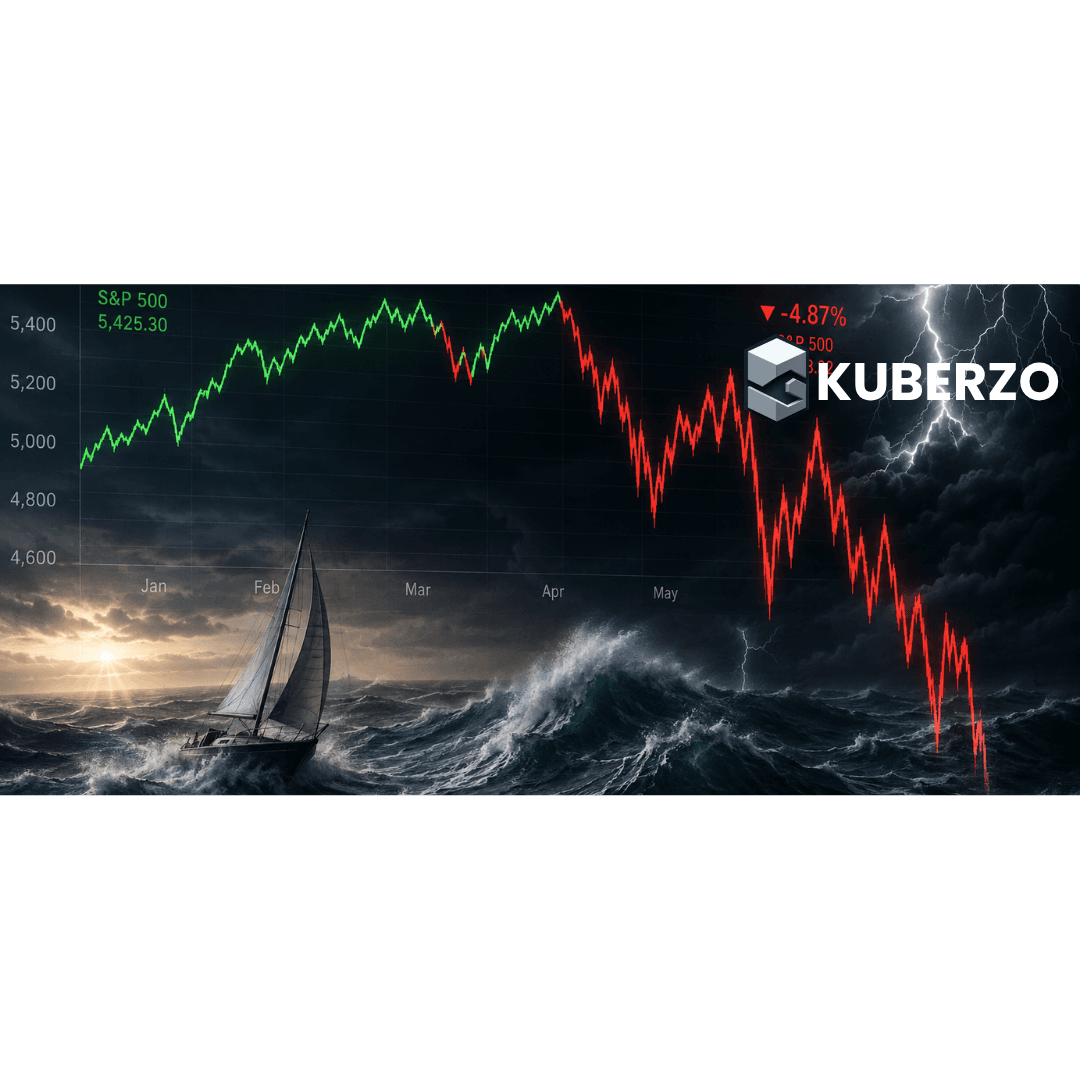
This blog explains the Market volatility is a natural part of investing. Learn how smart investors handle market corrections and crashes by staying disciplined, investing consistently, and maintaining diversified portfolios for long-term growth.
Market Volatility: What Smart Investors Do
Financial markets rarely move in a straight line. One day, stock prices are soaring, and the next, investors are worried about sudden declines. This constant fluctuation, known as market volatility, is a natural part of investing. While volatility can create uncertainty and fear, experienced investors understand that it also presents opportunities.
The key difference between successful investors and anxious ones is not avoiding volatility-it is knowing how to respond to it. goal based planning
Understanding Market Volatility
Market volatility refers to the rate at which the price of securities rises or falls over a specific period. High volatility means prices are moving sharply, while low volatility indicates more stable price movements.
Several factors can trigger stock market volatility, including:
- Economic data releases
- Interest rate changes
- Geopolitical events
- Corporate earnings reports
- Global crises or unexpected events
While these fluctuations may seem alarming, volatility itself is not necessarily a sign of a weak market. In fact, it is a normal characteristic of long-term investing.
Don't Panic During a Market Crash
One of the biggest mistakes investors make is reacting emotionally during a market crash. Sharp declines often lead to fear-driven decisions, causing many people to sell their investments at the worst possible time.
History has shown that markets tend to recover from downturns. Investors who panic and exit the market often miss the rebound that follows. Instead of making impulsive decisions, smart investors focus on their long-term goals and investment strategy.
A market crash may feel uncomfortable, but it does not automatically mean that quality businesses have lost their long-term value.
Recognize the Difference Between a Crash and a Correction
Not every decline is a crisis. A market correction typically refers to a drop of 10% or more from recent highs. Corrections are common and often serve as a healthy reset for overvalued markets.
While corrections can be unsettling, they are a normal part of market cycles. Smart investors understand that corrections often create opportunities to purchase strong companies at more attractive valuations.
Instead of viewing a correction as a threat, experienced investors often see it as a chance to strengthen their portfolios.
Focus on Long-Term Investing
The most successful investors understand that wealth is generally built over years, not days or weeks. During periods of stock market volatility, they avoid obsessing over daily price movements and remain committed to their long-term plans.
Long-term investing helps investors:
- Reduce the impact of short-term market fluctuations
- Benefit from compounding returns
- Stay focused on financial goals
- Avoid costly emotional decisions
Markets have experienced countless downturns throughout history, yet long-term investors who remained disciplined have often been rewarded.
Continue Investing During Market Downturns
One of the smartest strategies for investing during market downturn periods is to continue investing consistently. This approach, often called dollar-cost averaging, involves investing a fixed amount at regular intervals regardless of market conditions.
When prices fall, the same investment amount can purchase more shares. Over time, this strategy can lower the average cost of investments and potentially enhance long-term returns. SIP planning
Rather than trying to predict the perfect time to invest, smart investors focus on consistency.
Maintain a Diversified Portfolio
Diversification remains one of the most effective ways to manage risk during volatile markets. By spreading investments across different sectors, asset classes, and geographic regions, investors reduce their dependence on the performance of any single investment.
A diversified portfolio can help cushion the impact of market declines while positioning investors to benefit from opportunities across various segments of the economy.
Final Thoughts
Market volatility is inevitable, but it does not have to be feared. Whether facing a market correction, a period of intense stock market volatility, or even a significant market crash, smart investors stay disciplined, avoid emotional decisions, and remain focused on their long-term objectives.
The most successful investment strategies are often the simplest: stay invested, remain diversified, and continue investing during market downturn periods. While short-term market movements can be unpredictable, a patient and disciplined approach has historically been one of the most reliable paths to long-term financial growth.
Frequently Asked Questions
What does market volatility mean in investing?
Market volatility refers to the rate at which stock prices rise or fall over a specific period. High volatility indicates sharp price movements, while low volatility reflects more stable markets.
What factors cause stock market volatility?
Volatility can be triggered by economic data releases, interest rate changes, geopolitical events, corporate earnings reports, and global crises or unexpected events.
How should investors react during a market crash?
Smart investors avoid panic selling. History shows markets tend to recover, so staying invested and focusing on long‑term goals is often more beneficial than making emotional decisions.
What is the difference between a market correction and a crash?
A correction is typically a decline of 10% or more from recent highs and is considered a normal reset in market cycles. A crash involves sharper, more sudden declines, often driven by panic.
Why is long‑term investing important during volatile markets?
Long‑term investing reduces the impact of short‑term fluctuations, allows compounding returns, and helps investors stay focused on financial goals instead of reacting emotionally.
How does diversification help manage market volatility?
By spreading investments across sectors, asset classes, and regions, diversification reduces reliance on any single investment and cushions the impact of market downturns.