Inflation vs Investments: Protecting Your Wealth
By Dwarika Verma
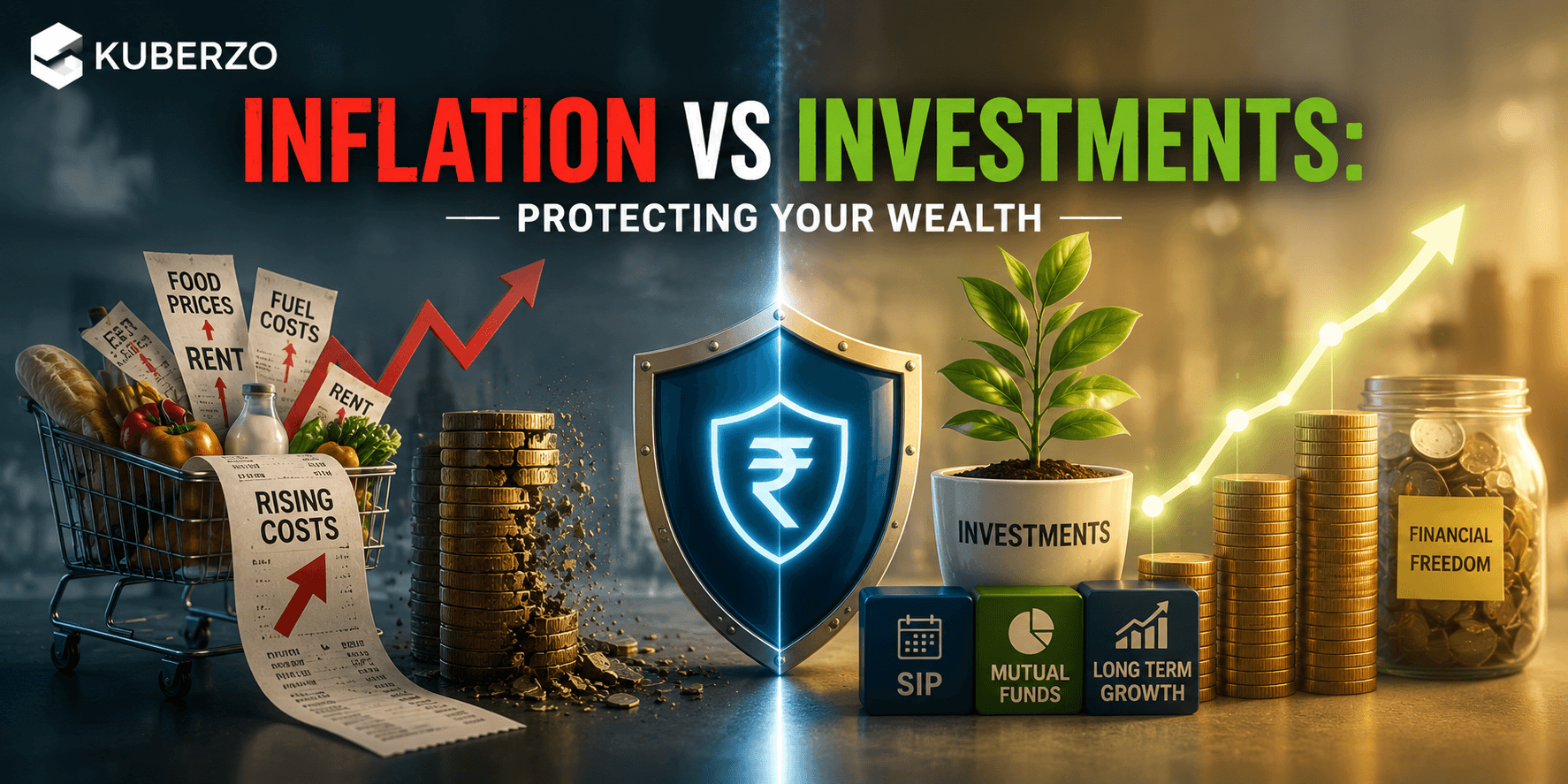
In this article, learn how inflation impacts savings and investments, discover the best investments during inflation, and explore strategies that can help protect and grow your wealth over time.
Inflation is often called the silent wealth killer as it gradually reduces the purchasing power of your money over time. Keeping money in your savings account may seem safe, but rising prices can slowly erode its value if they don't grow fast enough.
This is why understanding the relationship between inflation and investments is important. The right investment strategy can help protect your wealth and ensure your money continues to grow despite increasing costs of living.
What Is Inflation?
Inflation refers to the gradual increase in the prices of goods and services, which reduces the purchasing power of money. In simple terms, the same amount of money buys fewer goods and services as prices rise. What you could buy ten years back with ₹100, you cannot buy the same today. Similarly, the same ₹100 today buys more than ₹100 ten years later.
Inflation is a natural part of the economy. As your cost-of-living increases, expenses such as food, housing, healthcare, education, and transportation become more expensive. While moderate inflation is considered normal, it can significantly impact your personal finances if your savings do not grow at the same pace as the inflation.
How Inflation Affects Your Savings
You might wonder that the savings in your bank account are enough to secure your financial future. But this might not be true if the return you earn on those savings is lower than the inflation rate. This is so because the real value of money declines over time.
For instance, if a savings account offers an annual return of 4% while inflation rises by 6%, the purchasing power of those savings effectively decreases. Although the account balance may appear larger, the money may buy fewer goods and services than before.
As a saver, this hidden erosion of your purchasing power can be your biggest enemy, which may make an act of simple saving insufficient to achieve your long-term financial goals.
Why Investments Matter During Inflation
Investments provide an opportunity for your money to grow at a rate that may outpace inflation.
Unlike idle cash, investments can generate returns that help preserve and increase purchasing power over the long term.
While all investments involve some level of risk, choosing suitable investment options can help investors build wealth while protecting themselves against inflation.
The goal is not simply to earn returns but to ensure that your money grows faster than rising prices.
Best Investments During Inflation
Different investment options respond differently to inflation. Some investments are better positioned to handle inflationary periods than others.
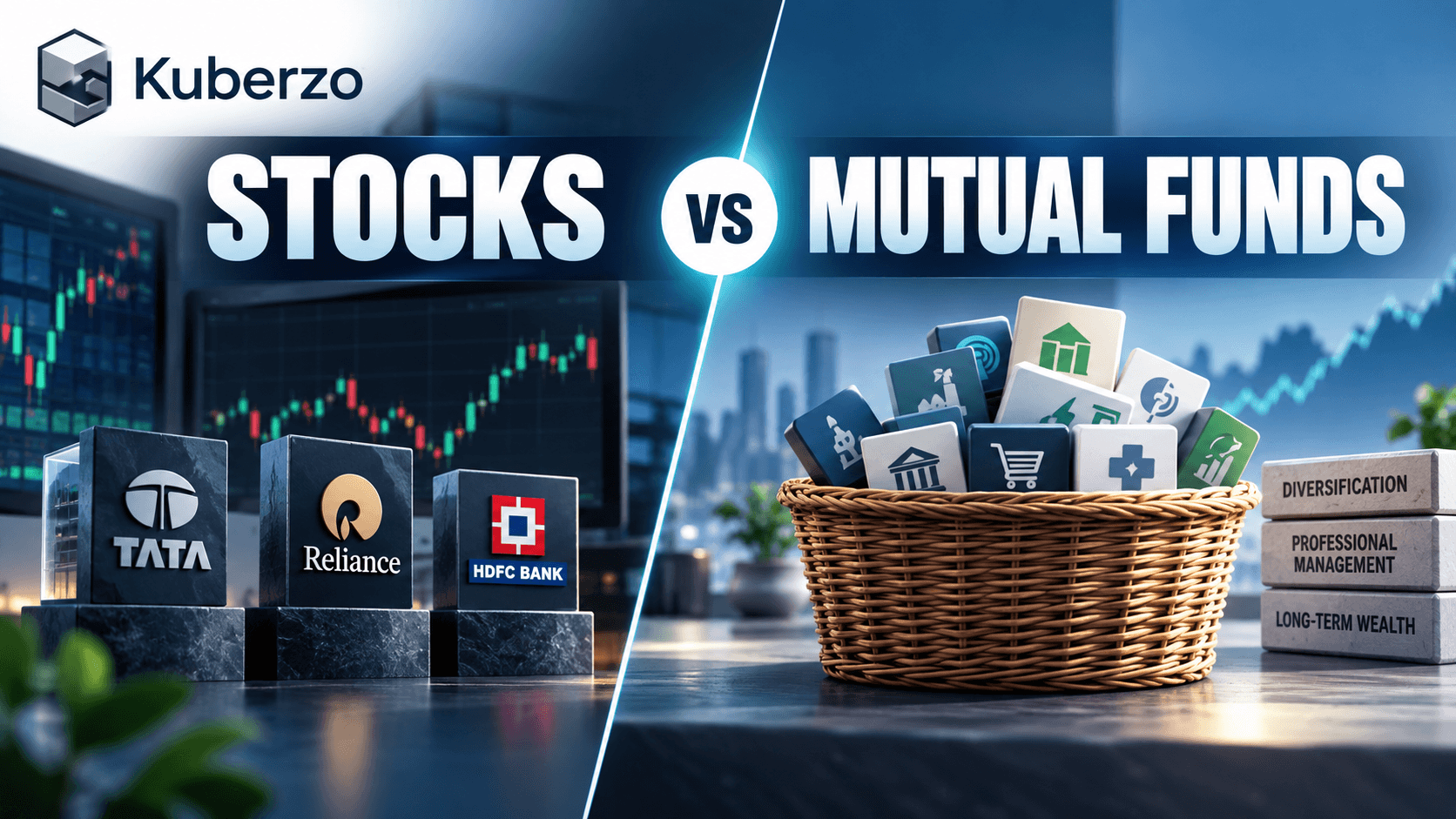
Equity Mutual Funds
Equity mutual funds invest primarily in stocks and have historically provided the potential for long-term growth. Since businesses can often increase prices and earnings over time, equities are commonly viewed as an effective hedge against inflation.
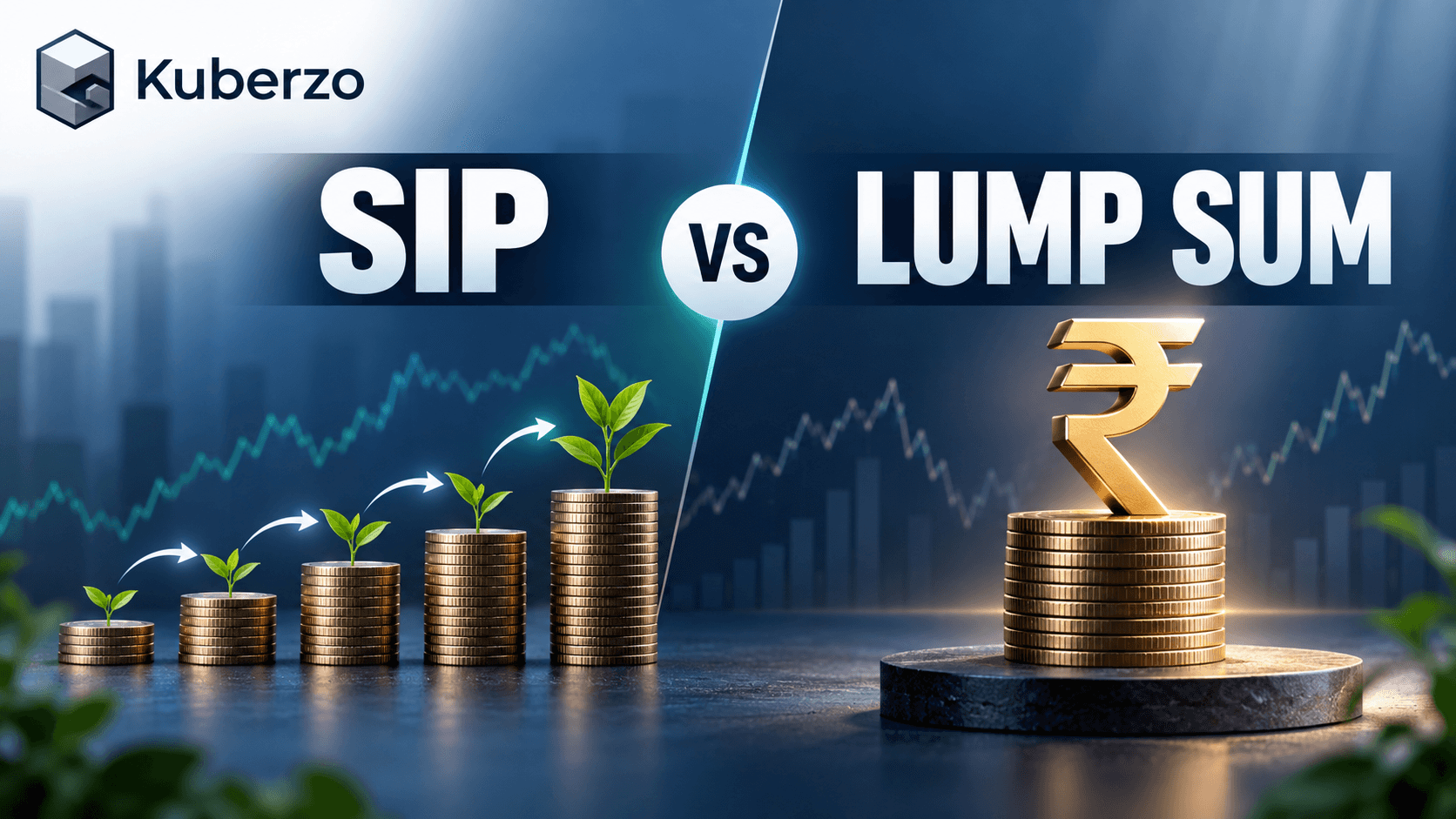
SIP Investments
Systematic Investment Plans (SIPs) allow investors to invest regularly in mutual funds. SIPs help build wealth gradually while taking advantage of market fluctuations through disciplined investing.
Diversified Mutual Funds
Diversification spreads investments across different sectors and companies, helping reduce risk while maintaining growth opportunities.
Gold and Other Inflation Hedges
Gold is often considered an inflation protection asset because it tends to retain value during periods of economic uncertainty and rising prices.
Many investors include a small allocation to gold as part of a diversified portfolio.
Building an Inflation-Resistant Portfolio
The share market has long been associated with wealth creation. By investing in companies with strong growth potential, you can participate in the growth of businesses and the broader economy. Although stock trading and share market movements can experience short-term volatility, long-term investors often focus on their financial goals rather than daily market fluctuations.
Investors should remember that there is no single investment that can completely eliminate inflation risk. Instead, investors should focus on creating a balanced portfolio that aligns with their financial goals and risk appetite.
Some useful principles include:
- Invest regularly rather than waiting for the perfect time.
- Diversify across different asset classes.
- Review investments periodically.
- Maintain a long-term perspective.
- Avoid keeping all wealth in low-return savings instruments.
A diversified approach can help reduce risks while improving the potential for long-term wealth creation.
Through patience, discipline, and a long-term perspective, investors can achieve a successful accomplishment of their financial goals. The best way to invest money depends on an individual's financial objectives, risk tolerance, and investment horizon.
Conclusion
Inflation is an unavoidable part of every economy, but it does not have to reduce your financial security. By understanding the inflation impact on investments and choosing suitable investment options, you can protect and grow your wealth over time.
Whether through mutual funds, SIPs, equities, or other diversified investments, the key is ensuring that your money continues to work for you. With proper planning and disciplined investing, it is possible to build a portfolio that acts as a hedge against inflation and supports your long-term financial goals.
To seek expert guidance and diversify your portfolio to beat inflation, visit us!
Frequently Asked Questions
What is inflation and how does it affect money?
Inflation refers to the gradual increase in the prices of goods and services, which reduces the purchasing power of money. As prices rise, the same amount of money buys fewer goods and services over time, making everyday expenses like food, housing, and education more costly.
Are savings accounts enough to protect against inflation?
Not necessarily. If the returns on a savings account are lower than the inflation rate, the real value of that money declines over time. For example, a 4% return with 6% inflation means the purchasing power of savings effectively decreases, even if the account balance looks larger.
Why are investments important during inflation?
Investments provide an opportunity for money to grow at a rate that can outpace inflation. Unlike idle cash, investments can generate returns that help preserve and increase purchasing power, ensuring money grows faster than rising prices.
What are the best investment options during inflation?
Equity mutual funds, SIP investments, diversified mutual funds, and gold are commonly considered effective options during inflation. Equities are viewed as a hedge since businesses can raise prices and earnings over time, while gold tends to retain value during periods of economic uncertainty.
How can investors build an inflation-resistant portfolio?
Investors can build an inflation-resistant portfolio by investing regularly, diversifying across asset classes, reviewing investments periodically, maintaining a long-term perspective, and avoiding keeping all wealth in low-return savings instruments. No single investment eliminates inflation risk entirely, so balance is key.
Can inflation be completely avoided through investing?
No investment can completely eliminate inflation risk. However, choosing suitable investment options and maintaining a diversified, long-term approach can significantly reduce inflation's impact and help protect and grow wealth over time.