How to Invest During High Inflation
By Anand
About the Author
Anand contributes to finance and personal finance content, with a particular interest in mutual funds, SIPs, financial planning and wealth creation. His work explores investment concepts and emerging trends in personal finance.

A practical guide to protecting purchasing power, choosing suitable investments, and staying focused on long-term financial goals when prices are rising.
Inflation affects almost every part of our financial lives. When the prices of food, housing, transportation, healthcare, and other goods increase, the purchasing power of money gradually decreases.
For investors, high inflation creates an additional challenge. It is not enough for an investment to simply grow in value; its returns also need to be considered in relation to the rising cost of living.
During such periods, having a clear investment approach can help investors avoid emotional decisions and focus on protecting and growing their wealth over the long term.
What Happens to Your Money During High Inflation?
When inflation rises, the same amount of money buys fewer goods and services than it did previously.
For example, if your expenses increase significantly over several years while your savings remain unchanged, your purchasing power can decline even though the amount of money in your bank account has not changed.
This is why investors need to think about the difference between nominal returns and returns after accounting for inflation.
The goal is not simply to earn a positive return. The goal is to potentially grow wealth faster than the rate at which purchasing power is being reduced, while taking an appropriate level of risk.
Why Your Investment Strategy Matters During Inflation
A suitable investment strategy should consider your financial goals, investment horizon, risk tolerance, income, and expected expenses.
During periods of high inflation, investors may be tempted to make sudden changes to their portfolios. However, completely changing an investment plan based on short-term economic conditions can introduce unnecessary risk.
Instead, investors can review their asset allocation and determine whether their existing investments remain appropriate for their long-term objectives.
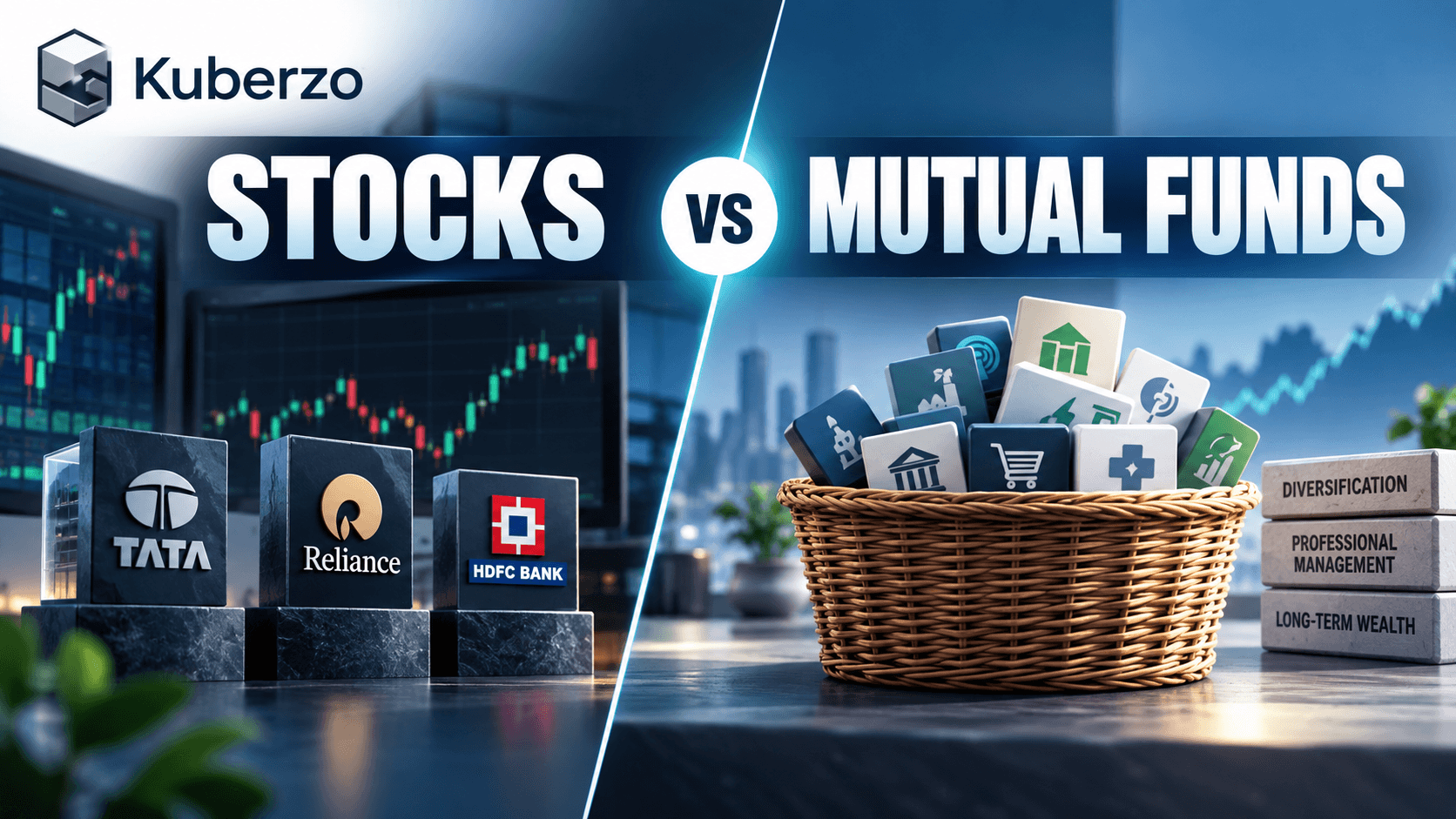
Can Mutual Funds Help During Inflation?
Mutual funds invest in a portfolio of securities, depending on the type of fund. Equity-oriented funds, for example, can provide exposure to businesses that may have the ability to increase prices or grow earnings over time.
However, not every fund performs well during inflation, and market values can decline. Investors should therefore select funds based on their goals, risk tolerance, investment horizon, and overall portfolio rather than choosing an investment simply because inflation is high.
Considering the Stock Market During Inflation
The stock market can behave differently during inflationary periods depending on interest rates, economic growth, corporate earnings, consumer demand, and investor expectations.
Some companies may be able to pass higher costs on to customers, while others may struggle with rising input costs.
Instead of trying to predict exactly which companies will benefit, long-term investors can focus on businesses with sustainable competitive advantages, healthy financials, and the potential to grow over time.
Gold as a Potential Inflation Hedge
Gold investment is often considered by investors when thinking about diversification and protection against economic uncertainty.
Gold has historically played a role as a store of value in various market environments. However, its price can also fluctuate, and it does not generate regular income like interest-bearing investments or businesses that produce earnings.
Therefore, gold may have a role in a diversified portfolio, but relying entirely on it may not be suitable for every investor.
Real Estate During Inflation
Real estate investment is another asset class investors may consider during periods of rising prices.
Property values and rental income can potentially increase over time, although performance varies significantly by location, property type, economic conditions, financing costs, and demand.
Real estate also involves expenses such as maintenance, taxes, transaction costs, and financing. It should therefore be evaluated as part of a broader financial plan rather than automatically being treated as a protection against inflation.
Why SIP Can Be Useful for Long-Term Investors
A SIP investment allows investors to contribute a predetermined amount at regular intervals rather than trying to invest a large amount at a single point in time.
Regular investing can encourage financial discipline and help investors continue investing through different market conditions.
However, a SIP does not guarantee profits or protect an investor from losses. The underlying investment still determines the investment's performance.
Are There Really Inflation-Proof Investments?
There is no investment that can be guaranteed to completely protect your money from inflation in every economic environment.
The idea of inflation proof investments should therefore be approached carefully. Different asset classes respond differently to inflation, interest rates, economic growth, and market conditions.
Rather than searching for one perfect asset, investors may consider diversification across suitable investments based on their personal circumstances.
The Role of Financial Planning During High Inflation
Effective financial planning becomes even more important when everyday expenses are rising.
Investors should regularly review:
- Monthly expenses
- Emergency savings
- Existing debt
- Insurance coverage
- Investment allocation
- Retirement goals
- Expected future expenses
- Short-term and long-term financial objectives
For example, if inflation causes your monthly expenses to rise, you may need to reassess how much you need for retirement or other future goals.
Diversification Can Reduce Concentration Risk
Different assets can respond differently to inflation and changing economic conditions.
A diversified portfolio may include a combination of assets appropriate for the investor's goals and risk tolerance. Diversification does not eliminate losses, but it can reduce dependence on the performance of a single asset or investment category.
The right allocation is different for every investor and should be reviewed as financial circumstances change.
Avoid Making Emotional Investment Decisions
High inflation can create uncertainty. Investors may hear constant predictions about interest rates, markets, commodities, and the economy.
Reacting to every headline can lead to frequent buying and selling and make it harder to follow a consistent investment approach.
Before changing your portfolio, ask:
Has my financial situation or long-term goal changed, or am I simply reacting to the latest economic news?
This simple question can help investors distinguish between a genuine financial decision and a short-term emotional reaction.
Focus on Long-Term Wealth Creation
The objective of investing is not necessarily to outperform inflation every single month or year. Different investments can perform differently over different periods.
Instead, investors should focus on building a portfolio that has the potential to support their long-term objectives while keeping risk at a level they can reasonably handle.
Successful wealth management is about balancing growth, risk, liquidity, and financial goals rather than chasing whichever asset appears to be performing best at the moment.
What Should Investors Do During High Inflation?
There is no single strategy that works for everyone. However, investors can consider a few principles:
- Review their financial goals.
- Maintain an adequate emergency fund.
- Evaluate their asset allocation.
- Avoid unnecessary concentration in one asset.
- Continue suitable regular investments.
- Review whether their expected returns are sufficient for their goals.
- Avoid making decisions purely because of market headlines.
- Reassess the portfolio periodically.
The most important step is to make decisions based on your own financial circumstances rather than following general market trends blindly.
Conclusion
High inflation can reduce purchasing power and make long-term financial planning more challenging. However, it does not mean investors need to panic or constantly change their portfolios.
A disciplined approach can involve reviewing asset allocation, considering diversification, continuing suitable regular investments, and focusing on long-term financial objectives.
Gold, equities, real estate, and other investments can each play different roles, but none should automatically be considered a guaranteed solution to inflation.
The best approach is to understand your goals, assess your risk tolerance, and build an investment plan designed for your individual financial situation.
Call to Action
Want to make smarter financial decisions during changing economic conditions?
Visit Kuberzo to explore practical financial insights, investment education, and guidance designed to help you make more informed decisions about your money and long-term financial goals.
Frequently Asked Questions
Why is inflation important for investors?
Inflation reduces the purchasing power of money over time. Investors need to consider whether their investments have the potential to grow enough to support their future financial needs.
Is gold a good investment during high inflation?
Gold can provide diversification and may perform well during certain periods of economic uncertainty, but its price can fluctuate and it does not guarantee protection against inflation.
Should I stop investing when inflation is high?
Not necessarily. Stopping investments because of temporary economic conditions can interrupt a long-term strategy. Investors should consider their goals, risk tolerance, and financial circumstances before making changes.
Can SIP help during inflation?
Regular investing through a SIP can encourage financial discipline and help investors continue contributing across different market conditions. However, it does not guarantee returns or eliminate investment risk.
What is the best investment during high inflation?
There is no single best investment for everyone. The appropriate choice depends on factors such as financial goals, investment horizon, risk tolerance, liquidity needs, and overall portfolio diversification.