
Emergency Funds vs Investments: Understanding the Difference
By Dwarika Verma
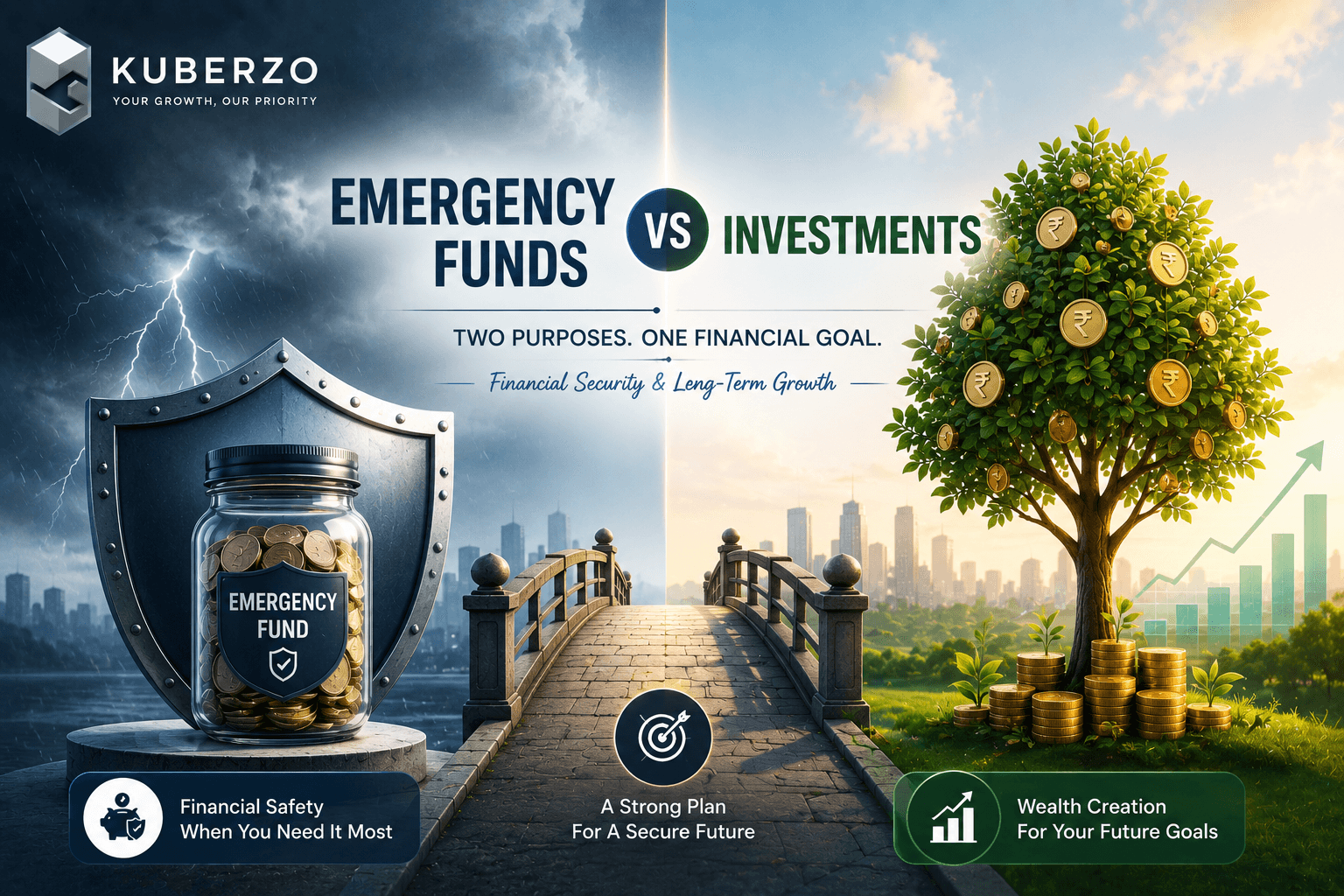
Both are important for financial security, but they serve very different purposes in your financial journey.
When building a strong financial foundation, many people wonder whether they should save money in an emergency fund or start investing. The truth is that both are essential, but they serve different purposes. As a beginner investor, it is important to know how emergency funds and investments differ from each other and what they are used for.
What Is an Emergency Fund?
An emergency fund is money set aside specifically for unexpected expenses or financial emergencies. These may include medical bills, urgent home repairs, vehicle maintenance, or temporary loss of income.
Financial experts often recommend maintaining an emergency fund that can cover three to six months of essential living expenses. Since emergencies can happen at any time, this money should be easily accessible through savings accounts or other low-risk options.
What Are Investments?
Investments are financial assets purchased with the goal of growing wealth over time. Common investment options include mutual funds, stocks, bonds, and retirement-focused investment plans.
Unlike emergency funds, investments are designed to generate returns and help achieve long-term financial goals such as retirement planning, buying a home, or wealth creation.
Key Differences
Purpose
- Emergency Fund: Financial protection during unexpected situations.
- Investments: Long-term wealth creation.
Risk Level
- Emergency Fund: Low risk and highly liquid.
- Investments: May involve varying levels of market risk.
Accessibility
- Emergency Fund: Easily accessible whenever needed.
- Investments: May require time to redeem or may fluctuate in value.
Which Should Come First?
For most individuals, building an emergency fund should be the first priority. Having a financial safety net helps prevent the need to withdraw investments during difficult times. Once an adequate emergency fund is established, investors can focus on growing their wealth through suitable investment options.
Final Thoughts
Emergency funds and investments are not competing financial tools — they work together. An emergency fund provides stability and protection, while investments help build long-term financial growth. Maintaining both can create a stronger and more balanced financial future.
Explore more about mutual funds, SIP investment, and financial planning on Kuberzo.
Frequently Asked Questions
What is the difference between an emergency fund and an investment?
An emergency fund is money set aside to cover unexpected expenses such as medical emergencies, job loss, or urgent repairs. Investments, on the other hand, are intended to grow your wealth over time and help you achieve long-term financial goals like retirement or buying a home.
Should I build an emergency fund before investing?
Yes. Financial experts generally recommend building an emergency fund before making significant investments. Having a financial safety net helps you handle unforeseen expenses without needing to sell your investments during market fluctuations.
How much money should I keep in an emergency fund?
A common recommendation is to save enough to cover three to six months of essential living expenses. The ideal amount depends on factors such as your income stability, monthly expenses, and financial responsibilities.
Where should I keep my emergency fund?
An emergency fund should be kept in a safe, low-risk, and easily accessible account, such as a savings account or another liquid financial instrument. The primary goal is quick access rather than earning high returns.
Can I use mutual funds as an emergency fund?
Mutual funds are generally designed for investing and wealth creation rather than emergency savings. Since their value can fluctuate and redemption may take time, they may not always be suitable as a replacement for a dedicated emergency fund.
Why are both emergency funds and investments important?
Emergency funds provide financial security during unexpected situations, while investments help grow your wealth and achieve long-term financial goals. Maintaining both creates a balanced financial plan that supports stability as well as future growth.