The Power of Patience: Why Time in the Market Beats Timing the Market
By Ayush Agrawal
About the Author
Ayush Agrawal is the Founder of Kuberzo with 5+ years of experience in the financial services industry. His expertise includes mutual funds, goal-based investing, financial wellness and digital investment platforms.
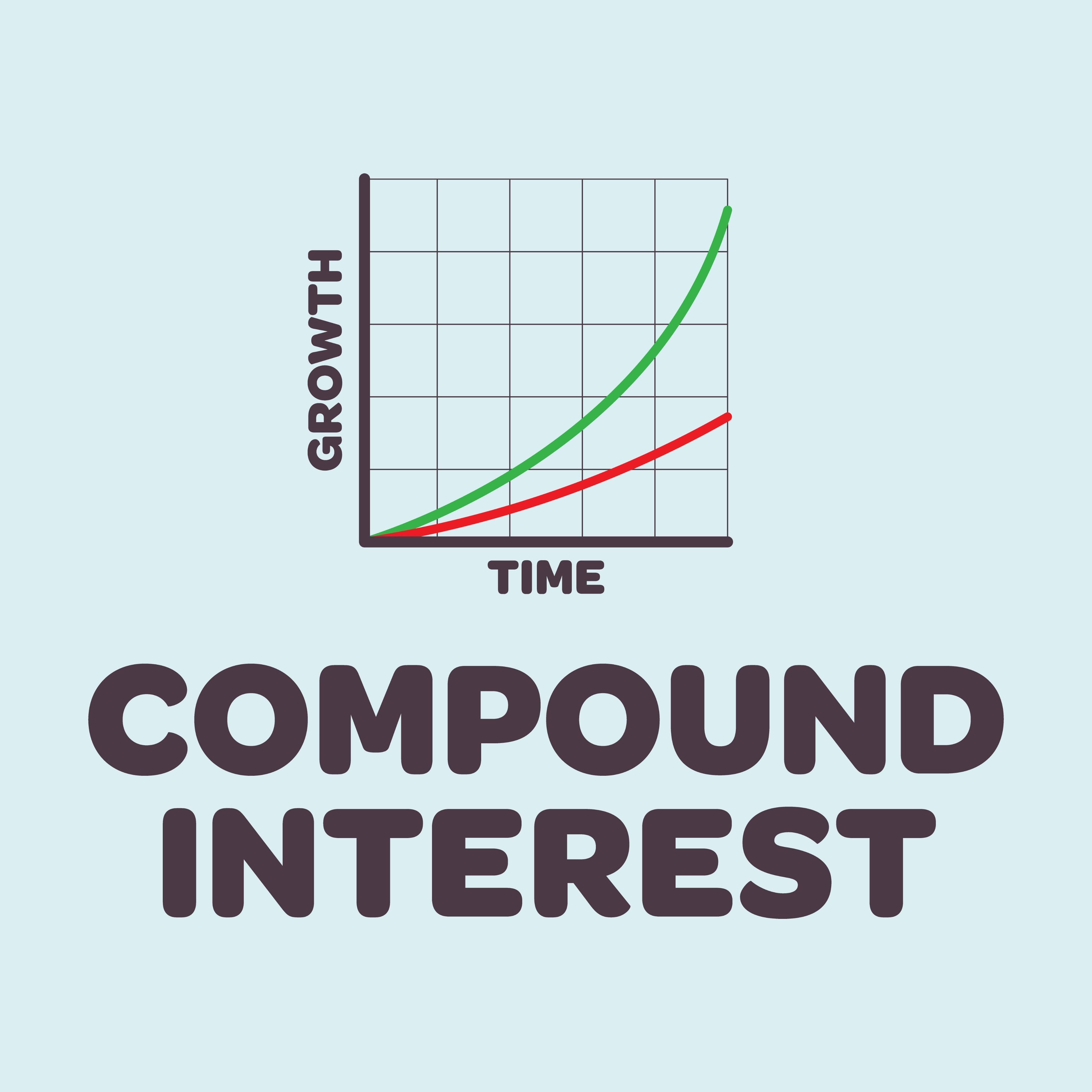
This blog post explores the fundamental principle that time in the market is far more valuable than attempting to time the market. It highlights two pillars of successful long-term investing: The Magic of Compounding: By starting early and staying invested, your returns begin to generate their own returns, leading to exponential growth over decades. Diversification as a Defense: Spreading investments across various asset classes—like equity for growth and debt for stability—protects your portfolio from sector-specific downturns.
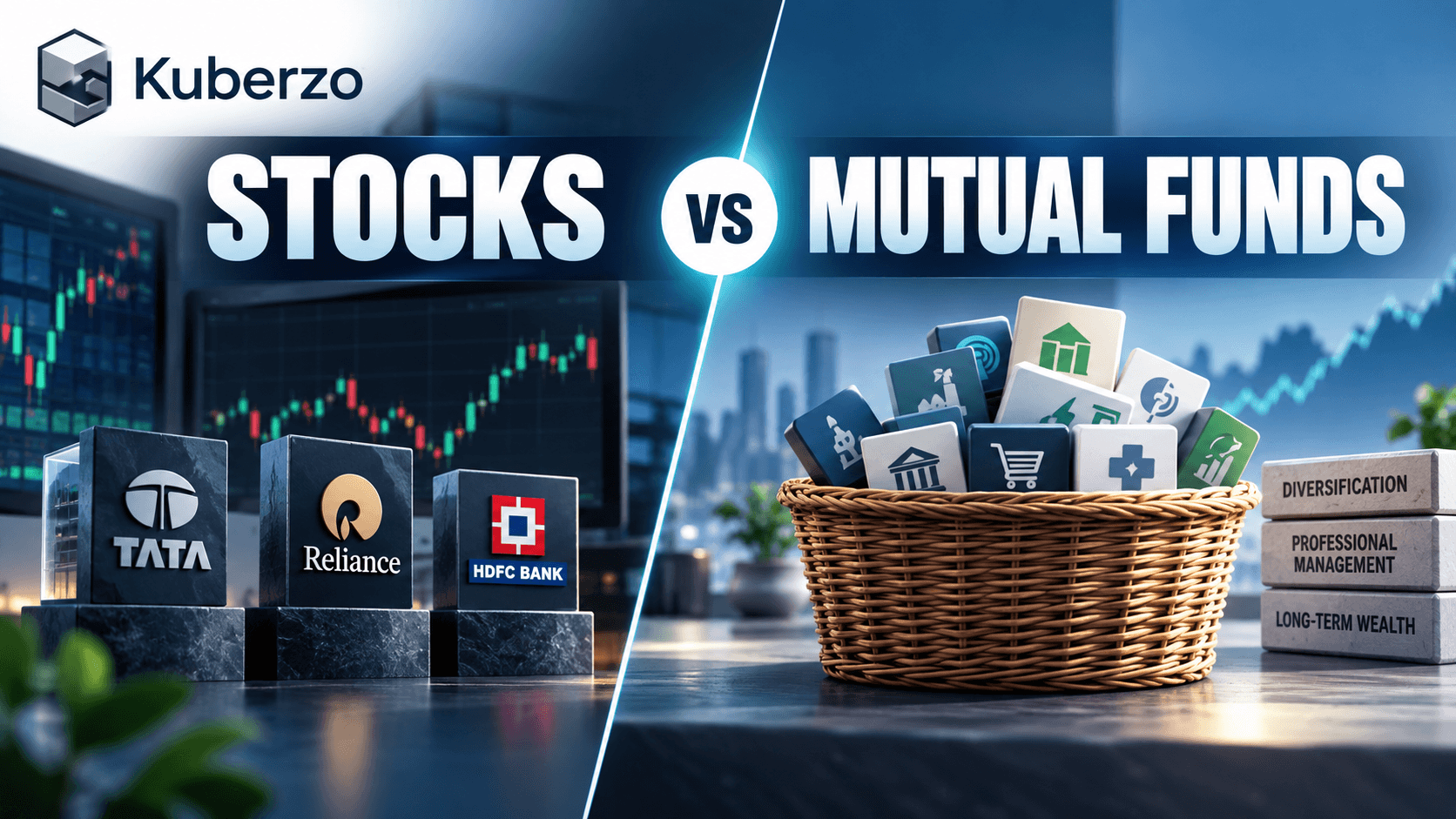
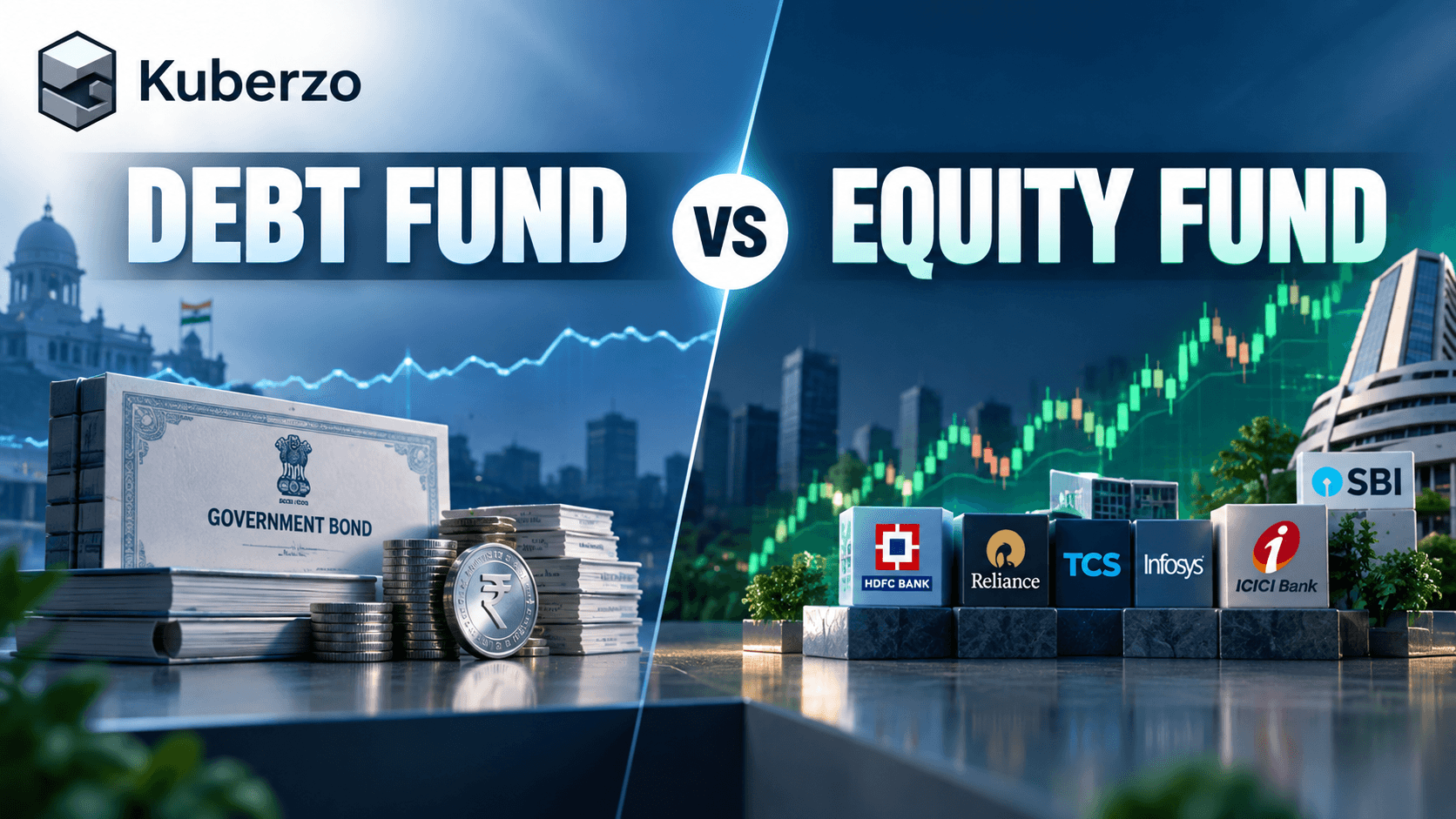
The Power of Patience: Why Time in the Market Beats Timing the Market One of the most common pitfalls for new investors in the stock market is the urge to "time the market." Whether it is waiting for a "crash" to buy or trying to sell at the very peak, this strategy often leads to missed opportunities and lower returns. In reality, successful wealth creation is rarely about making the perfect move at the perfect second; it is about the total amount of time your money remains invested. The Magic of Compounding When you invest in mutual funds or stocks, you aren't just earning interest on your principal amount; you are earning returns on your previous returns. This process, known as compounding, works best over long horizons. For instance, a Systematic Investment Plan (SIP) started early in one's career can grow exponentially larger than a much bigger investment started a decade later. By staying invested through market cycles—both the highs and the lows—you allow compounding to do the heavy lifting for you. Diversification: Your Safety Net While time is your greatest asset, diversification is your best defense. Instead of putting all your capital into a single stock, mutual funds allow you to spread your risk across various sectors like technology, banking, and healthcare. Equity funds offer high growth potential for long-term goals, while debt funds provide stability for shorter timelines. By maintaining a balanced portfolio, you ensure that a downturn in one specific industry doesn't derail your entire financial future. The road to financial freedom isn't paved with complex trading algorithms; it's built on the discipline of consistent investing and the patience to let your portfolio grow.
Frequently Asked Questions
What does "time in the market beats timing the market" mean?
It means staying invested for the long term is generally more effective than trying to predict the best time to buy or sell investments. Long-term investing allows you to benefit from market growth and the power of compounding.
Why is long-term investing better than timing the market?
Long-term investing helps investors avoid emotional decisions, reduces the impact of short-term market volatility, and allows investments to grow through compounding. Attempting to time the market can lead to missed opportunities and inconsistent returns.
How does compounding help build wealth over time?
Compounding allows your investment returns to generate additional returns over time. The longer you stay invested, the greater the potential for your wealth to grow, making early and consistent investing especially valuable.
Why is diversification important for long-term investors?
Diversification spreads your investments across different asset classes, sectors, or securities, reducing the impact of poor performance in any single investment. It helps manage risk while supporting more stable long-term returns.
Is a Systematic Investment Plan (SIP) a good strategy for long-term investing?
Yes. A SIP allows you to invest a fixed amount regularly, encourages disciplined investing, benefits from rupee cost averaging, and helps build wealth over time through the power of compounding.
Can market volatility affect long-term investment returns?
Short-term market volatility is a normal part of investing. Investors who stay focused on their long-term financial goals and continue investing consistently are generally better positioned to benefit from market recoveries.